Last updated November 21, 2026
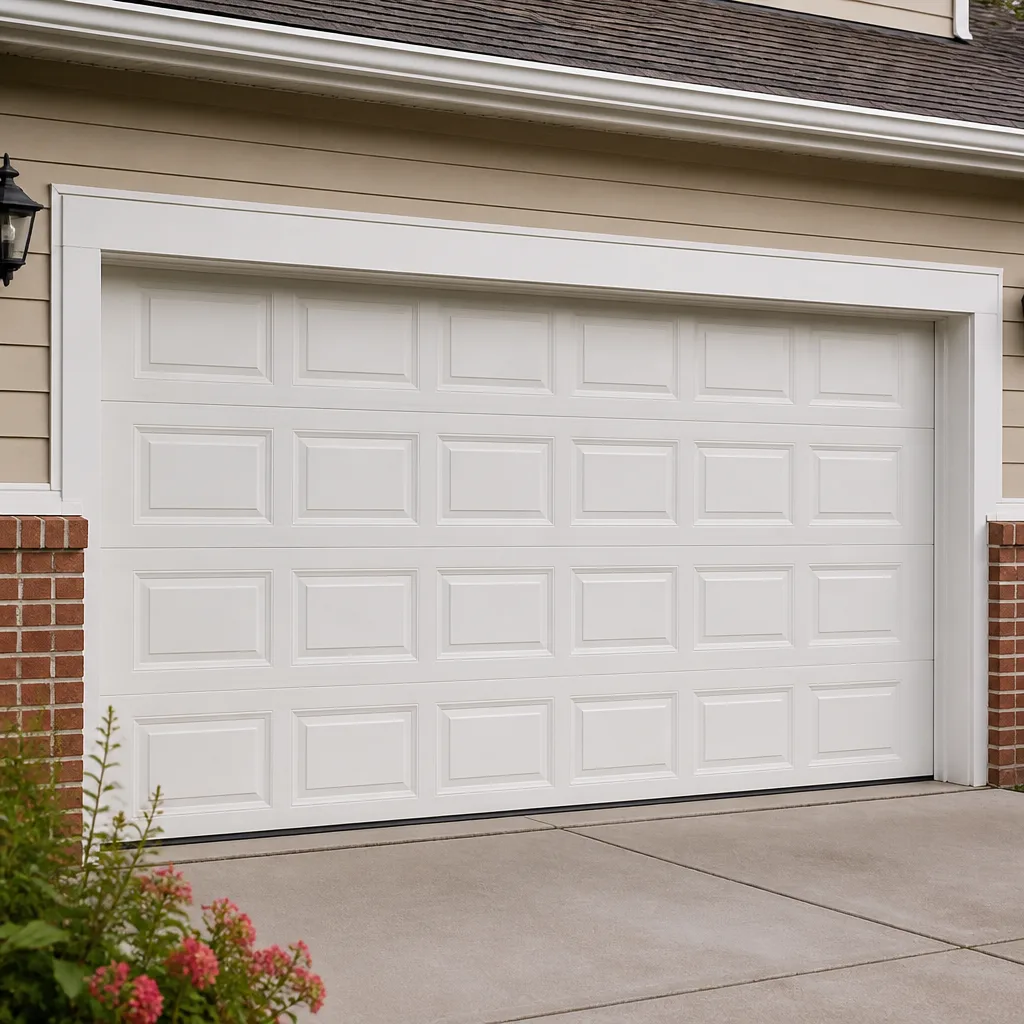 Raised-panel steel
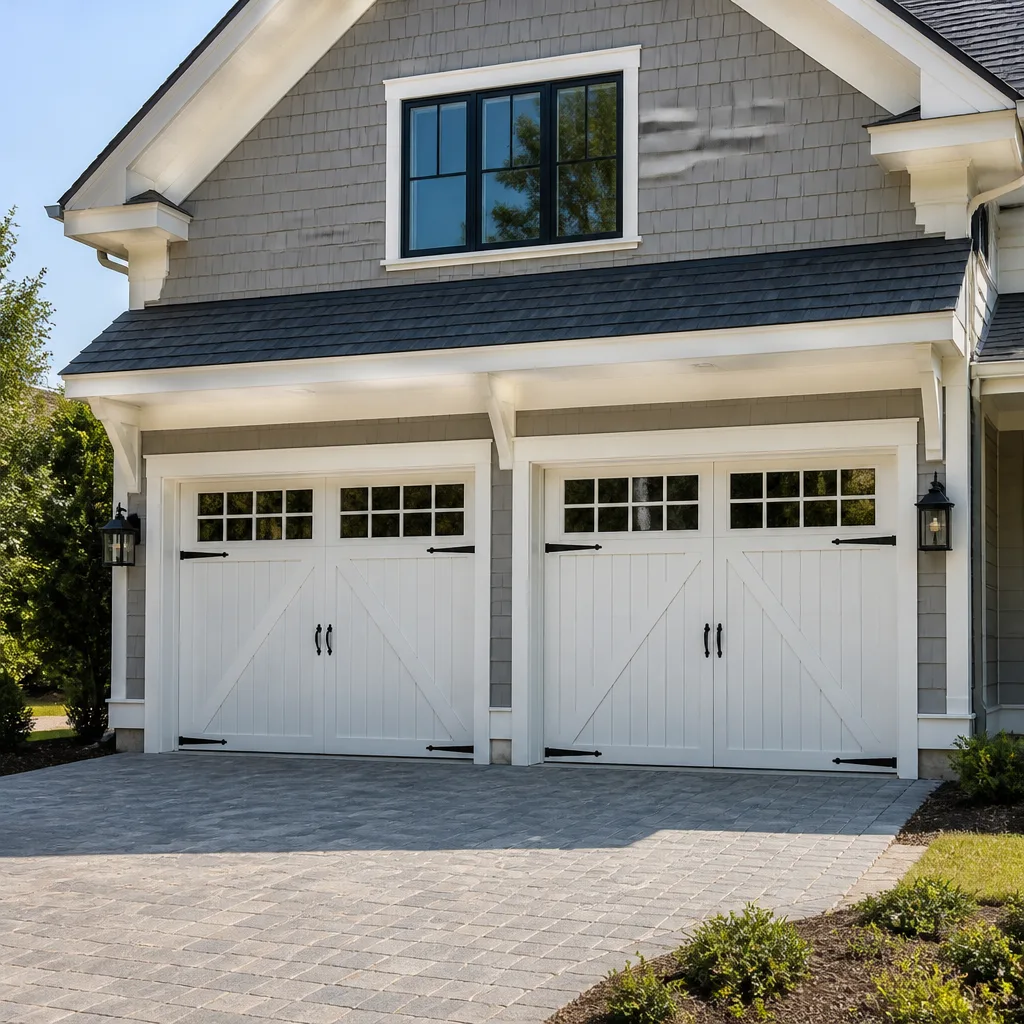 Carriage house
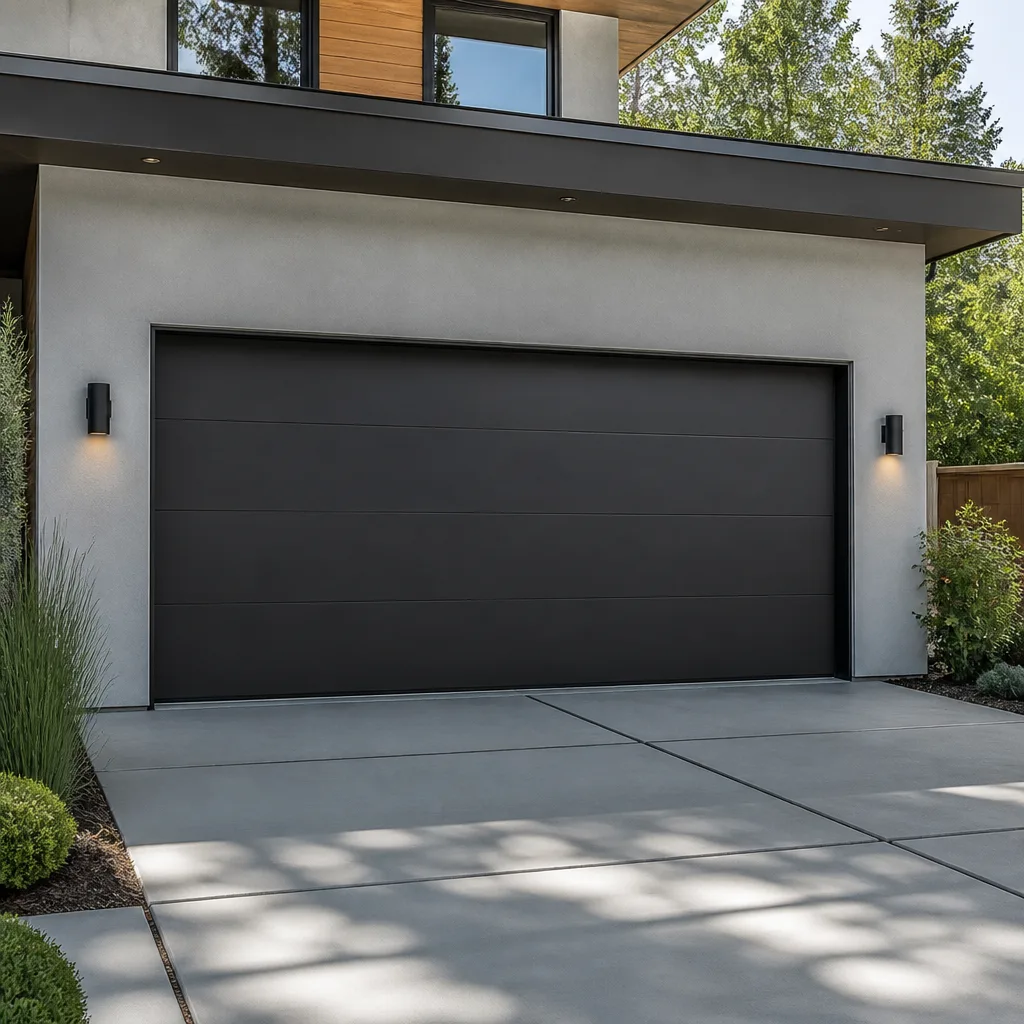 Modern flush
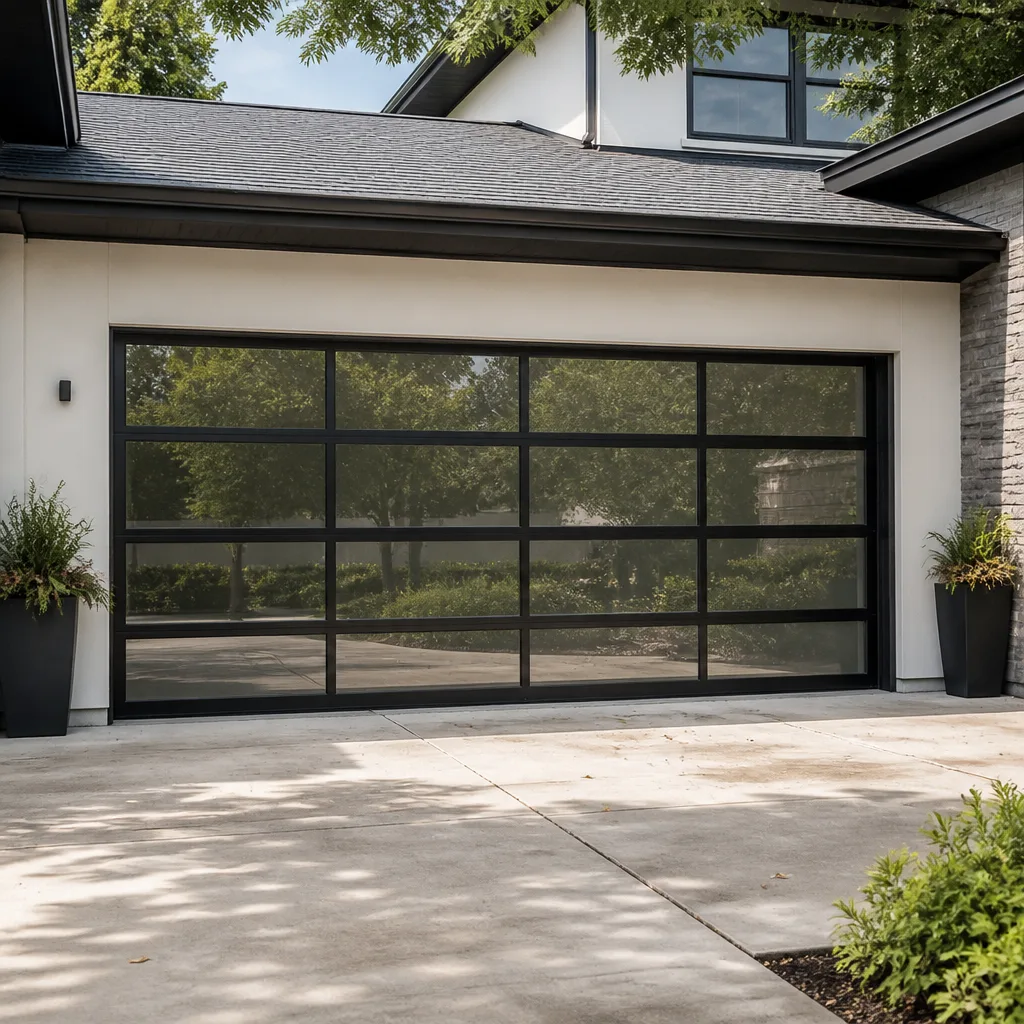 Full-view glass
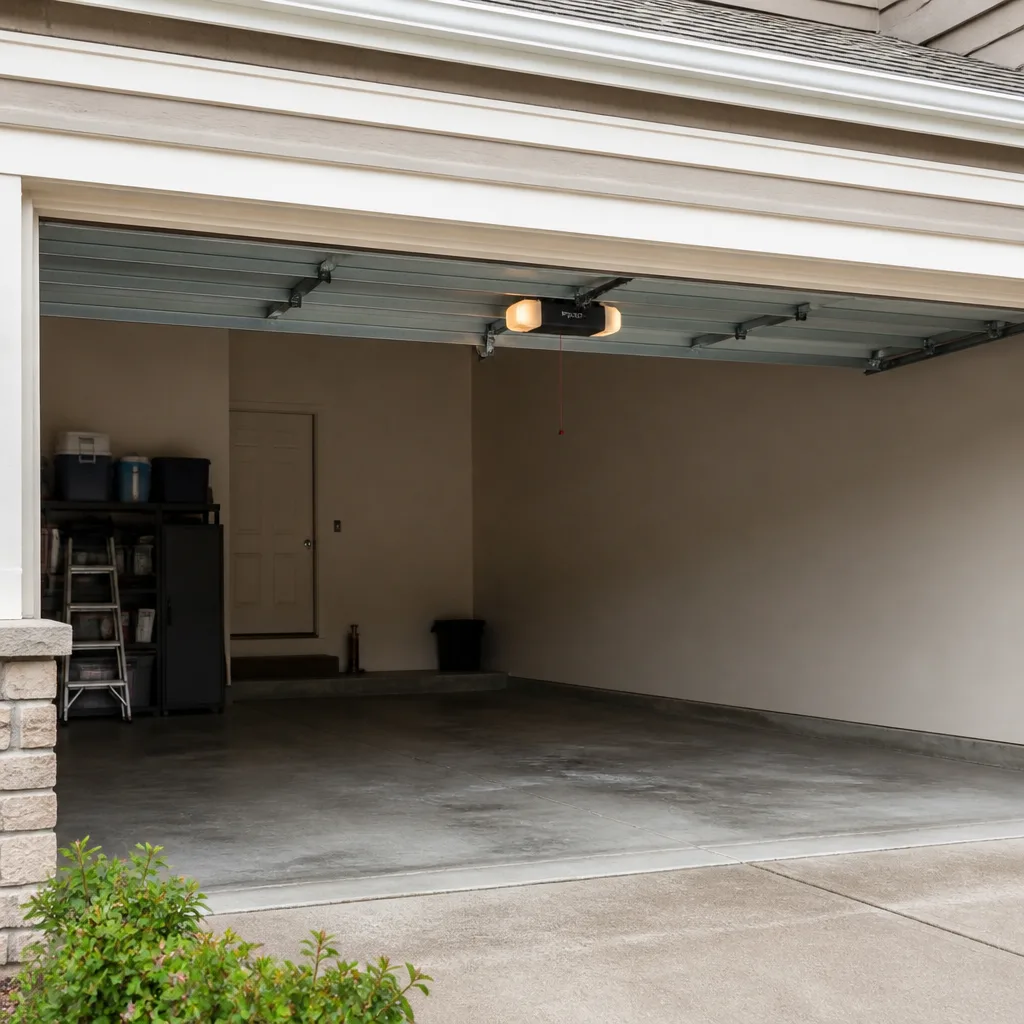 LiftMaster openers
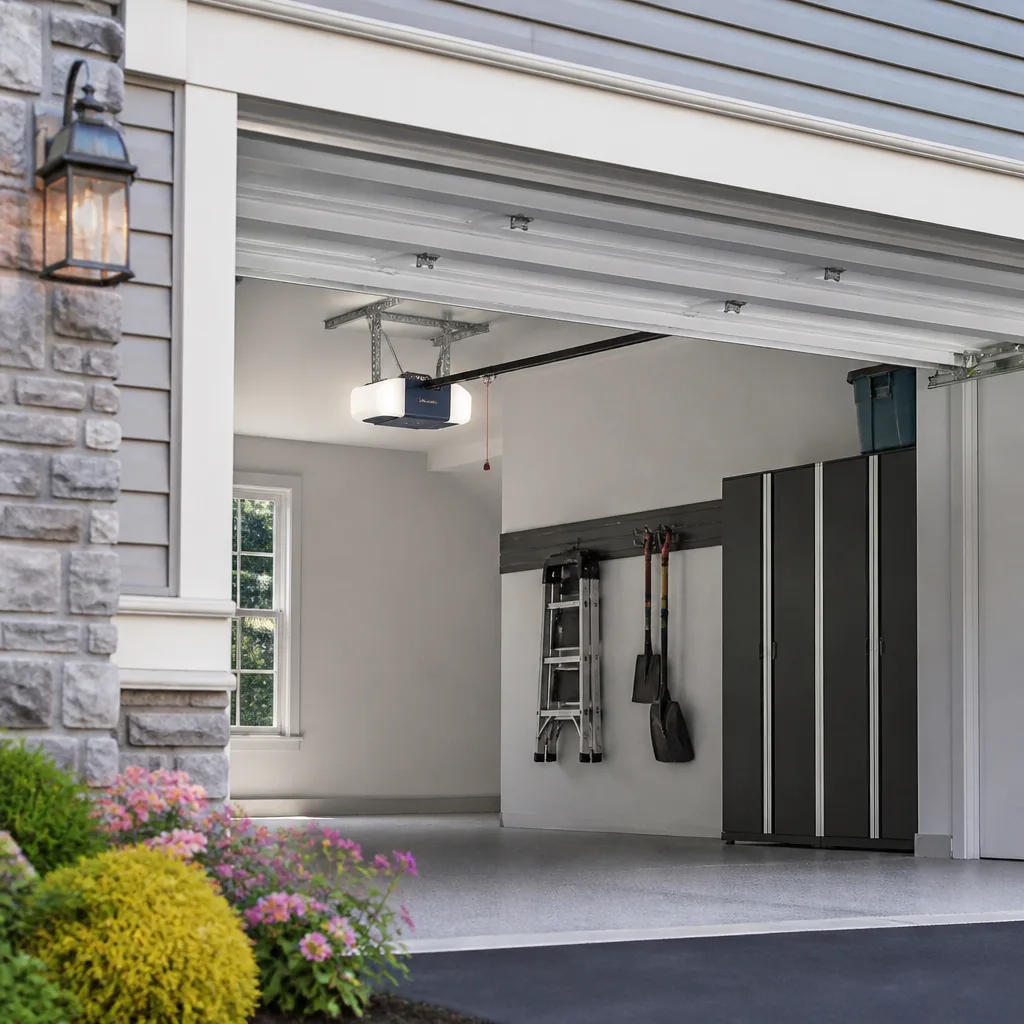 Chamberlain openers
Full 25-point door and opener safety check with every visit - springs, cables, rollers, tracks, and your LiftMaster or Chamberlain opener included
You get a price before we start. It does not change when the pro arrives.
Get your free estimateDIY vs Professional Garage Door: The North Port Homeowner’s Decision Guide
Most advice about garage door repairs splits into two useless camps: “it’s easy, watch a video” or “never touch it, call someone.” Neither is honest. The real line runs through specific tasks, and it has almost nothing to do with how handy you are. A torsion spring holds enough stored energy to break bones when it lets go unexpectedly, and that’s physics, not a liability disclaimer. Replacing a keypad or rebalancing a safety sensor is a genuine weekend project. This guide draws that line task by task, explains which repairs can void a manufacturer warranty, and covers what Florida code means for a North Port homeowner who swaps a door without a permit.
Quick Answer
In North Port, homeowners can safely handle lubrication, sensor alignment, keypad and remote programming, visual inspections, and light track cleaning. Anything involving torsion springs, cables, bottom brackets, or full door replacement belongs with a trained technician, because those parts store dangerous energy or carry permit and warranty consequences. For everything in between, the deciding factors are whether the task can injure you and whether it affects your home’s inspection record.
Styles & brands we work with
- Raised-panel steel
- Carriage house
- Modern flush
- Full-view glass
- LiftMaster openers
- Chamberlain openers
Table of Contents
- Where the DIY line actually falls
- Tasks that are genuinely DIY-safe in North Port
- Tasks that require a trained technician
- Which repairs void your manufacturer warranty
- Florida code and permits for door replacement
- The tool and parts reality check
- The hidden cost of a botched repair
- Maintenance between service calls
Where the DIY line actually falls
The question isn’t whether you’re capable. It’s whether the task can hurt you or leave your home out of compliance. Those two tests sort every garage door job into three buckets, and the sorting barely changes from one house to the next in North Port.
Bucket one is harmless work with no stored energy and no code paper trail: cleaning, lubricating, adjusting sensors, programming remotes. Bucket two is work that looks simple but sits on a live mechanical system under tension, which means springs, cables, and the hardware that anchors them. Bucket three is anything that changes the door itself, because a new door or a changed spring setup can trigger permit and warranty questions.
Here’s the practical version:
- Do it yourself: lubricant on rollers, hinges and tracks, sensor alignment, keypad codes, remote pairing, wiping down panels, tightening visible bolts on the track brackets by hand.
- Call a technician: torsion and extension springs, cables, bottom brackets, center bearings, roller replacement on a door under tension, track realignment after an impact.
- Always permitted and professional: full door replacement, spring conversions from extension to torsion, and any change to the opener’s mounting or wiring.
That third bucket is where North Port homeowners get surprised, and it’s the part most online guides skip entirely. A door that opens and closes fine after a swap can still create problems at inspection or at claim time.
Tasks that are genuinely DIY-safe in North Port
These jobs carry no stored-energy risk and no code consequences. You can do them with basic tools, and doing them consistently is the single best way to extend the life of a system in North Port’s heat and humidity.
- Lubricate the moving parts. A garage door specific lubricant on rollers, hinges, and the torsion bar bearing plates every few months keeps things quiet and reduces wear. Avoid greasing the tracks themselves, since that attracts grit.
- Align the safety sensors. If the door reverses for no reason, check that the two small lenses near the floor are facing each other and the indicator light on each is steady. A gentle nudge or a wipe with a soft cloth often solves it.
- Program a keypad or pair a remote. On a Chamberlain or Genie opener, this is a matter of following the manual’s button sequence. Nothing you do here can injure you.
- Test the auto-reverse. Put a piece of wood flat on the floor in the door’s path and confirm the door reverses on contact. This is a safety check every household should run monthly.
- Wipe and inspect. Look at the springs for visible gaps or rust, check the cables for fraying, and listen for new noises. You’re observing, not adjusting.
- Clear the tracks of debris. A dry cloth and a light brush remove dust and grit. Don’t loosen the track brackets to do it.
None of these require special tools, and none of them can void a warranty. If a task isn’t on this list, treat it as a question rather than a project.
Tasks that require a trained technician
This is the part of the guide that matters most. A torsion spring on a standard residential door holds enough force that releasing it incorrectly can cause serious injury in an instant. That’s not a scare tactic to sell a service call. It’s the reason spring work sits in its own category apart from every other garage door job.
The tasks below belong with someone who has the right winding bars, the training to use them, and the judgment to know when a cable is about to fail:
- Torsion and extension spring replacement or adjustment. Both systems store energy. Extension springs along the ceiling track are equally dangerous when they let go.
- Cable replacement. Cables are under tension and can whip when released. A frayed cable is a warning, not a maintenance item.
- Bottom bracket work. The bottom bracket anchors the cable under load and is one of the most injury-prone parts on the door.
- Track realignment after an impact. A bent track can look close to straight and still bind the rollers, which then wear the panels and the opener.
- Roller replacement on a door under tension. Lifting the door to swap rollers is fine only when the door is fully relaxed and properly supported.
- Opener motor, gear, or logic board replacement. Modern openers on the LiftMaster and Genie platforms involve travel limits and force settings that have to be recalibrated correctly.
Our technicians have up to 15 years of experience with exactly this kind of work, and spring repair is a specialization for us rather than an occasional job. If a spring has snapped in your North Port home, garage door spring repair is the service to book, and it’s worth doing before the door is used again.
Which repairs void your manufacturer warranty
Most manufacturer warranties on a door or opener cover defects in materials and workmanship, and most of them exclude damage caused by improper installation or unauthorized repair. The practical result is straightforward: the moment you take a tool to a component the warranty treats as professional-only, you may lose coverage on that part, and sometimes on the whole system.
What typically puts a warranty at risk:
- Rewinding or replacing torsion springs yourself, which is the most common exclusion across door brands.
- Cutting, drilling, or modifying panels to fit an opener or a hardware kit.
- Installing an opener on a door rated for a different weight or balance.
- Altering the door’s balance so the opener works harder than it’s rated for.
- Failing to follow the manufacturer’s maintenance schedule and then claiming a defect.
Brands differ in how strictly they enforce this. A Clopay or Amarr door and a Chamberlain or Genie opener each carry their own terms, and reading the paperwork before you start is the only way to know what you’d be giving up. In our experience, the warranty conversation is worth having before a repair, not after. If your opener has started behaving oddly, garage door opener repair is the safer path, and it keeps the paper trail clean.
Florida code and permits for door replacement
A full door replacement is not a repair, and Florida treats it as a structural change to the home’s opening. Most cities require a permit for swapping out a garage door, and North Port homeowners should confirm the current rule with the city’s building department before ordering a door. The permit isn’t bureaucracy for its own sake. It’s the record that a door was installed to the wind and impact standards your home’s opening is rated for.
Why this matters more in North Port than in many places:
- Garage doors are the largest moving opening on a house, and they’re part of the building envelope.
- A permitted install leaves an inspection record that insurers and future buyers can check.
- An unpermitted swap can surface as a problem during a home sale or a claim, long after the door was installed.
- Wind-rated door requirements depend on the home’s design and location, so the correct specification isn’t something you can guess from a showroom floor.
- Check with the city’s building department on whether your replacement needs a permit and what documentation they want.
- Get the door specified for your opening before you order, not after.
- Have the install documented, including the permit number if one applies.
- Keep the paperwork with your home records.
We can’t tell you what your specific permit will require, and nobody should guess on your behalf. We can tell you that door installation handled properly leaves you with a door that fits and a paper trail that holds up.
The tool and parts reality check
Here’s where the DIY math usually collapses. A torsion spring conversion isn’t a spring purchase. It’s a project with its own toolkit, and the parts alone often run close to what a service call costs once you add up everything you actually need.
What a true conversion involves:
- A pair of proper winding bars, sized to your spring cone. Makeshift substitutes are how injuries happen.
- The torsion bar, spring, and center bearing assembly if the door isn’t already set up for torsion.
- Drums, cables, and cable anchors sized for the door’s weight.
- A drill, a socket set, and clamps to secure the door safely during the work.
- Time to learn the winding process correctly, which you only get to do once per attempt.
A straight spring replacement on an existing torsion setup is simpler but no less dangerous. With garage door repair priced by written estimate, you know the number before any work starts, and the price you’re quoted is the price on the invoice. Compare that to the cost of buying specialty tools you’ll use once, plus the risk of getting the winding wrong, and the math often favors a service call rather than punishing DIY. A matched pair of springs on a typical door is replaced together, so plan for both rather than one.
The hidden cost of a botched repair
The expensive failures we see in North Port homes usually aren’t the dramatic ones. They’re the quiet ones. A door that runs slightly off after a DIY adjustment can work for months while it damages itself.
The most common secondary failures:
- Improperly tensioned springs. Too much or too little tension puts extra load on the opener and wears the motor and gears ahead of schedule.
- Misaligned tracks. A track that’s a fraction off binds the rollers, which then grind the finish off the panels and eventually cause the door to stick or reverse.
- Cables trying to compensate for a bad spring. A cable under uneven tension can fray and eventually fail, which turns a repair into a safety issue.
- Opener strain from a door that’s out of balance. When a door no longer balances properly, the motor does the lifting. That’s a motor replacement instead of a spring repair.
- Warranty voiding. Damage caused by unauthorized repair isn’t usually covered, so the fix after the fix comes out of pocket.
Balance is the check worth understanding: a properly balanced door should hold itself halfway up and stay there when you let go. If it slams down or drifts, it’s out of balance, and no amount of lubrication will fix it.
Maintenance between service calls
The best thing a North Port homeowner can do for a garage door isn’t a repair. It’s a short routine that keeps the system from needing one. North Port’s warm, humid climate works on garage doors year-round instead of giving them a winter break, so hardware and springs get more use in a year here than in many parts of the country.
A monthly routine that takes ten minutes:
- Open and close the door once and listen. Note any new pop, squeal, or grind.
- Run the auto-reverse test with a flat piece of wood on the floor.
- Check that the safety sensor lights are steady on both sides.
- Look at the springs for visible gaps or rust streaks.
- Look at the cables for fraying or slack.
- Wipe dust and grit out of the tracks with a dry cloth.
- Lubricate rollers, hinges, and bearing plates with garage door lubricant.
Once or twice a year, tighten the bolts you can reach by hand, wipe the photo-eye lenses, and test every remote and keypad in the house. None of this touches a tensioned part, and all of it buys years of service.
Common Mistakes to Avoid
- Trying to rewind a torsion spring without winding bars. Improvised tools slip, and when they do, the spring releases with the bar attached. This is the single most dangerous DIY garage door mistake, and it causes injuries that are entirely preventable.
- Greasing the tracks. Lubricant in the tracks collects grit and makes rollers drag. Tracks want to be clean and dry; the moving parts want the lubricant.
- Loosening track brackets to “adjust” a door that just needs a spring check. Track bolts are set to a position that took an installation to establish. Moving them usually trades one alignment problem for a worse one.
- Replacing one spring of a matched pair. Springs on a door wear together. Replacing one leaves the old one to fail soon after, and you pay for two service calls instead of one.
- Installing a door or opener without checking the permit requirement. In North Port, an unpermitted door swap can become an inspection and insurance issue at the worst possible moment, usually during a sale.
- Pulling the manual release while the door is up. A door under a broken spring can come down hard. Never yank the release to “test” anything on a door that isn’t balancing.
- Ignoring a small dent in the track. A damaged track wears rollers fast, and the damage usually spreads to the panels and the opener before it’s addressed.
See the difference
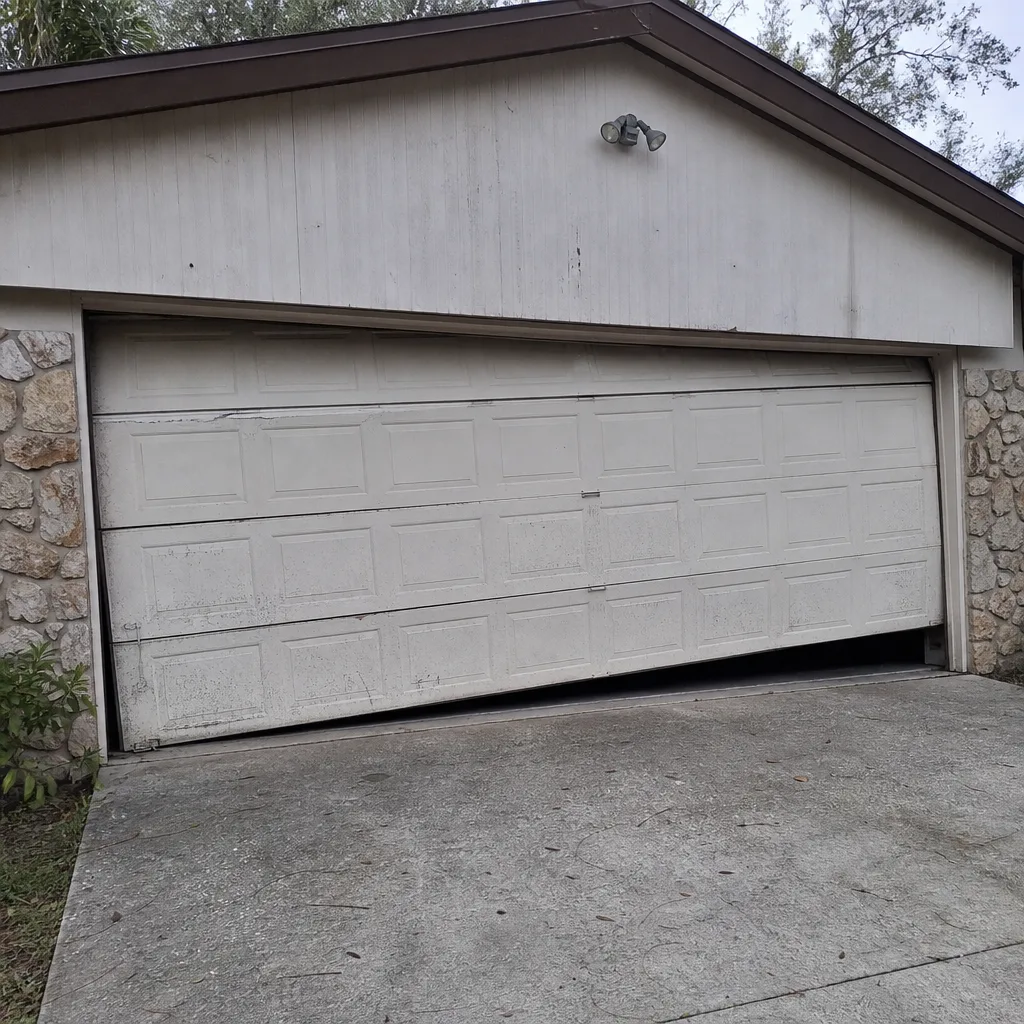 Before
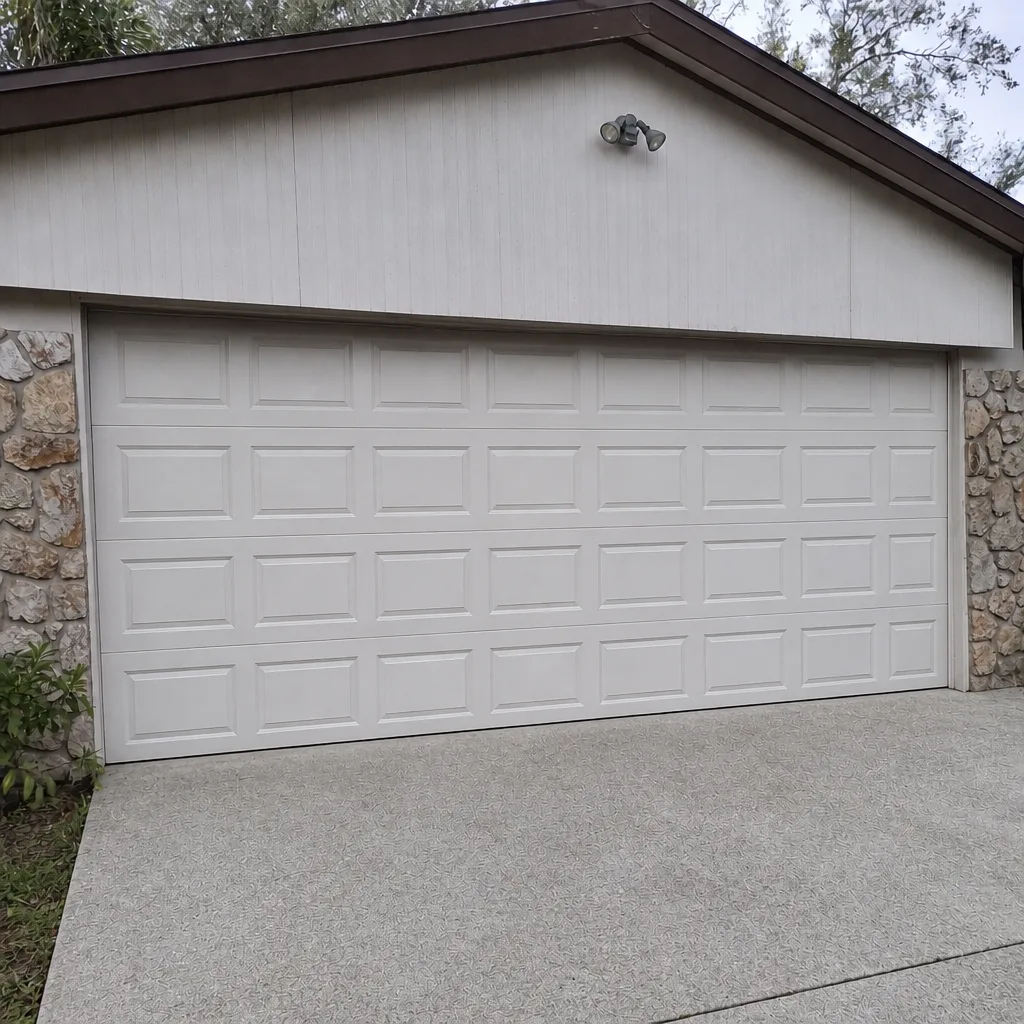 After
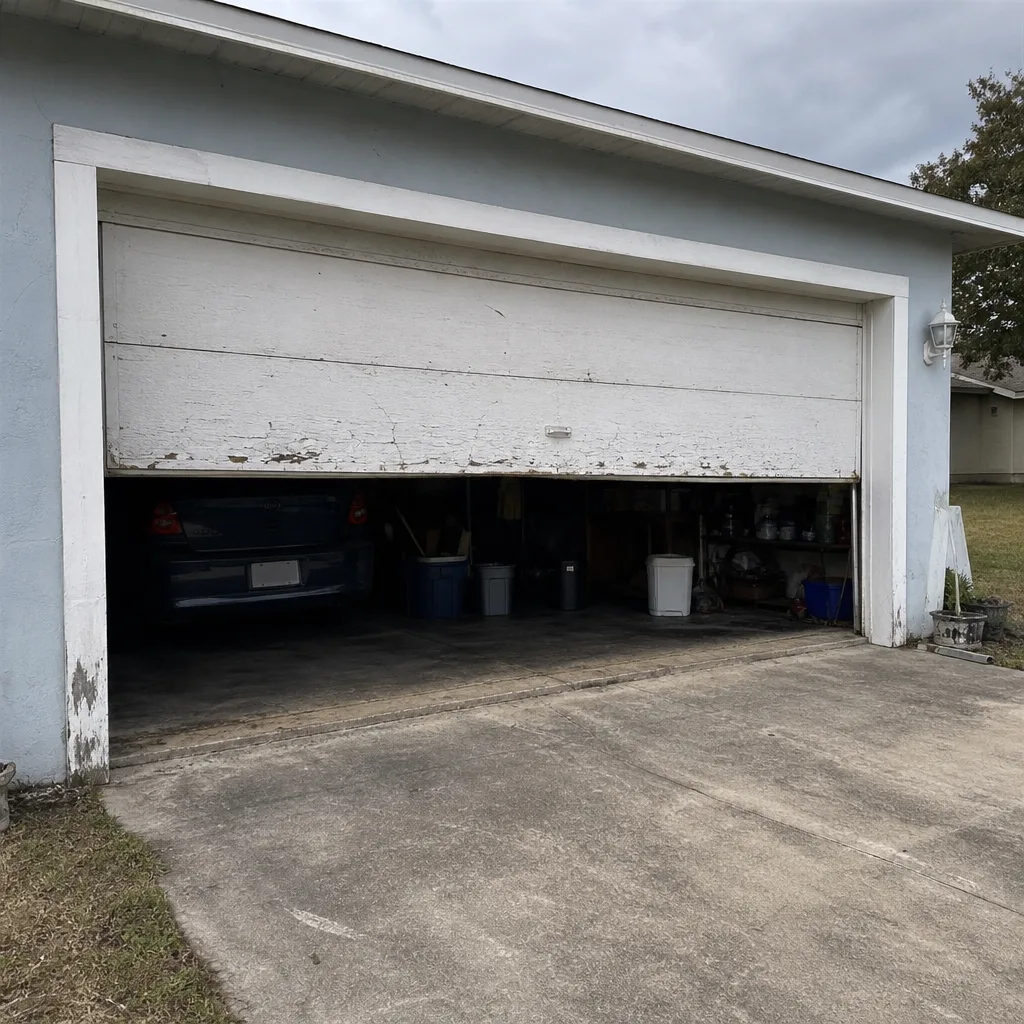 Before
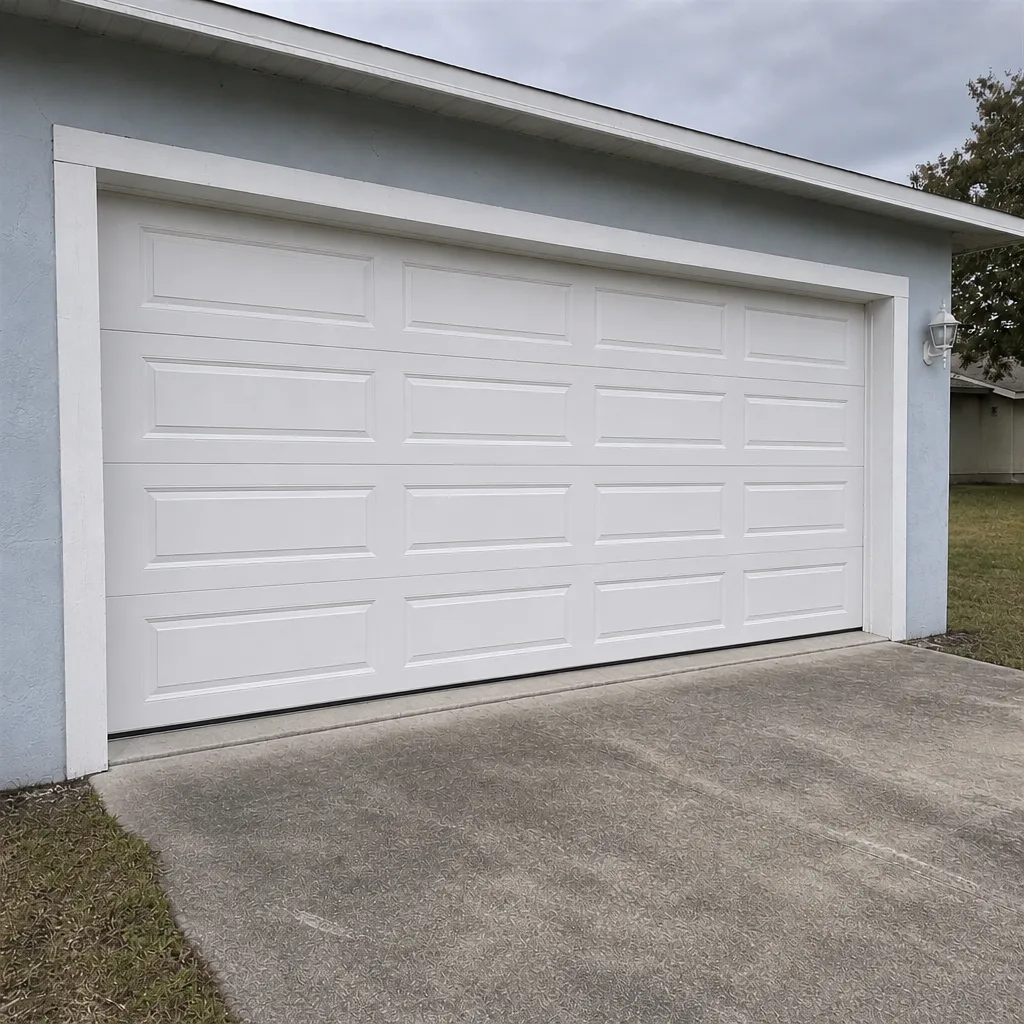 After
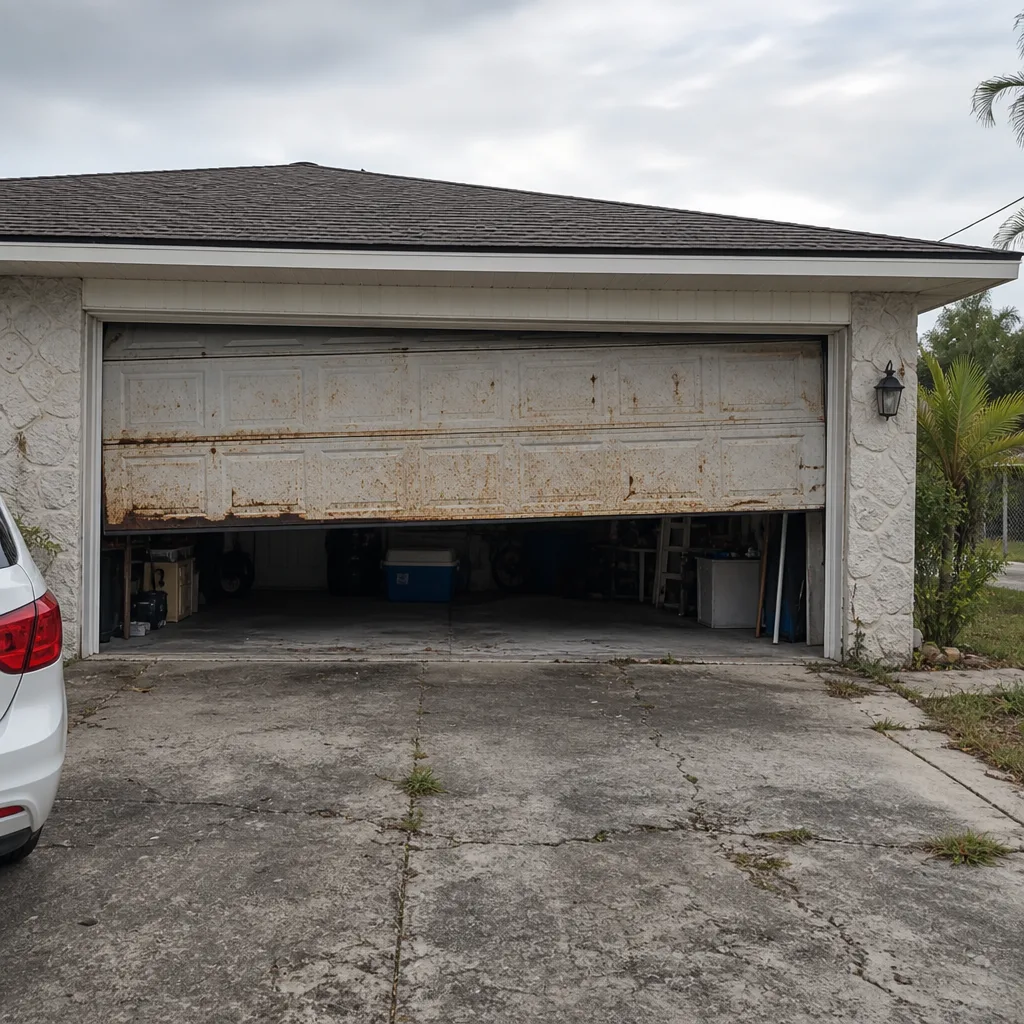 Before
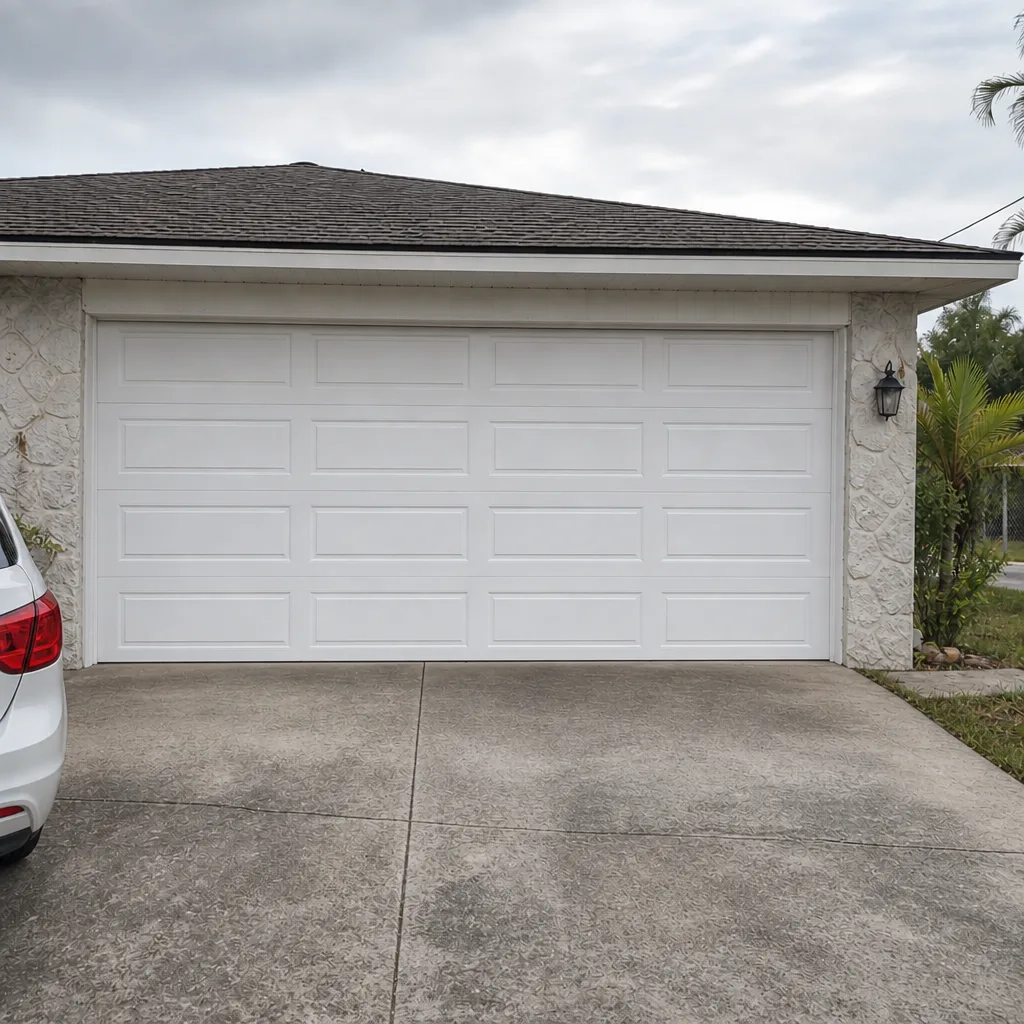 After
When to Call a Professional
Call a technician when the task involves a spring, a cable, a bottom bracket, or a track that has moved after an impact. Call when the door won’t balance, when the opener strains or reverses for no clear reason, or when you’re planning a full replacement and want the permit and specification handled properly. Call when the door is stuck open and your home is exposed, because that’s a security situation, not a convenience one. North Port Garage Door Repair Pros offers free estimates in North Port. Call (855) 610-6385, and the price is quoted and agreed before any work starts. Emergency service is a core offering here, not something bolted on. We work with the major brands, including Chamberlain, Clopay, Amarr, and Genie, so the diagnosis starts with the system you actually own.
Frequently Asked Questions
No. Torsion and extension springs store enough energy to cause serious injury if released incorrectly, and spring replacement requires winding bars and training that general handymen don’t carry. It’s also the most common warranty exclusion across door brands. Call (855) 610-6385 for spring repair handled by trained technicians, with the price agreed before work starts.
Most cities require a permit for a full garage door replacement, so confirm the current rule with North Port’s building department before you order a door. A permit leaves an inspection record that matters at resale and at claim time. If you’re planning a replacement, call (855) 610-6385 for a free estimate on installation.
Lubricating rollers, hinges, and bearing plates, aligning safety sensors, programming keypads and remotes, running the auto-reverse test, and cleaning the tracks dry are all safe homeowner tasks. None of them touch a tensioned part or affect a warranty. Anything involving springs, cables, or door replacement should go to a technician. Call (855) 610-6385 if you’re unsure which side of the line a job falls on.
It can. Most warranties exclude damage from improper installation or unauthorized repair, and spring work is the most common exclusion. Brands like Clopay, Amarr, Chamberlain, and Genie each set their own terms, so read your paperwork before you pick up a tool. When in doubt, call (855) 610-6385 for a free estimate and keep your coverage intact.
The most common causes are misaligned safety sensors, a door that’s out of balance, or a travel limit that needs recalibrating on your opener. Start by checking that both sensor lights are steady and the lenses are clean. If that doesn’t solve it, call (855) 610-6385 and we’ll diagnose the system before anything gets worse.
For sensor alignment, lubrication, and programming, DIY genuinely saves money. For springs, cables, and opener internals, DIY usually costs more once you add specialty tools, parts, and the risk of a secondary failure. A written estimate tells you the number before work begins, so compare that to the real cost of doing it yourself. Call (855) 610-6385 for a free estimate.
The Bottom Line
The DIY vs professional question for garage doors comes down to two tests: can this task injure you, and does it affect your permit or warranty record? Lubrication, sensors, programming, and inspection pass both tests and belong in your own hands. Springs, cables, brackets, and full replacement fail them and belong with a trained technician. In North Port, the permit question is the one homeowners most often overlook, and it’s the one that follows you longest. Know the line, do the safe work consistently, and call for the rest. North Port Garage Door Repair Pros covers the full arc from a broken opener to a new door, and a free estimate costs you nothing.
If your door has stopped behaving the way it should, call (855) 610-6385 for a free estimate. We’ll tell you what the job actually involves, quote it before any work starts, and handle the parts that aren’t safe to handle yourself.
Written by the team at North Port Garage Door Repair Pros.