Last updated November 21, 2026
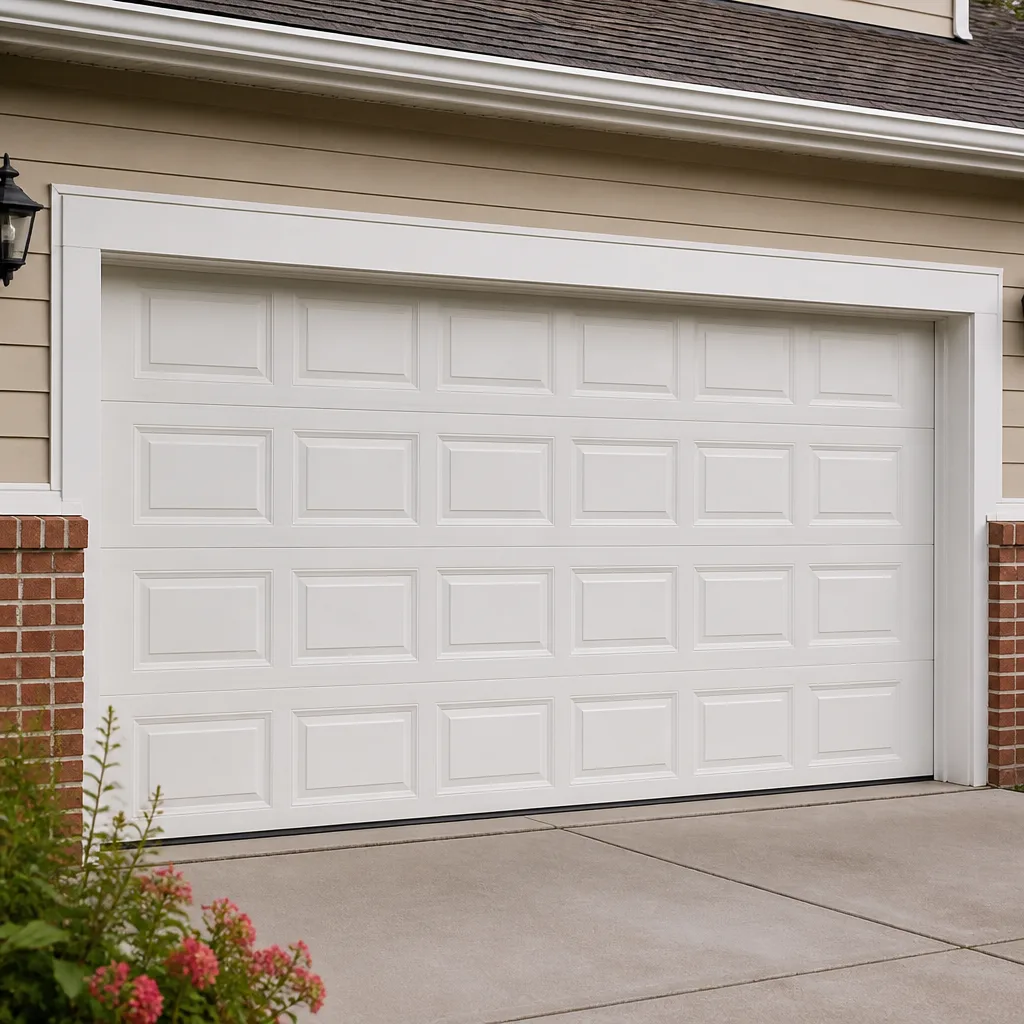 Raised-panel steel
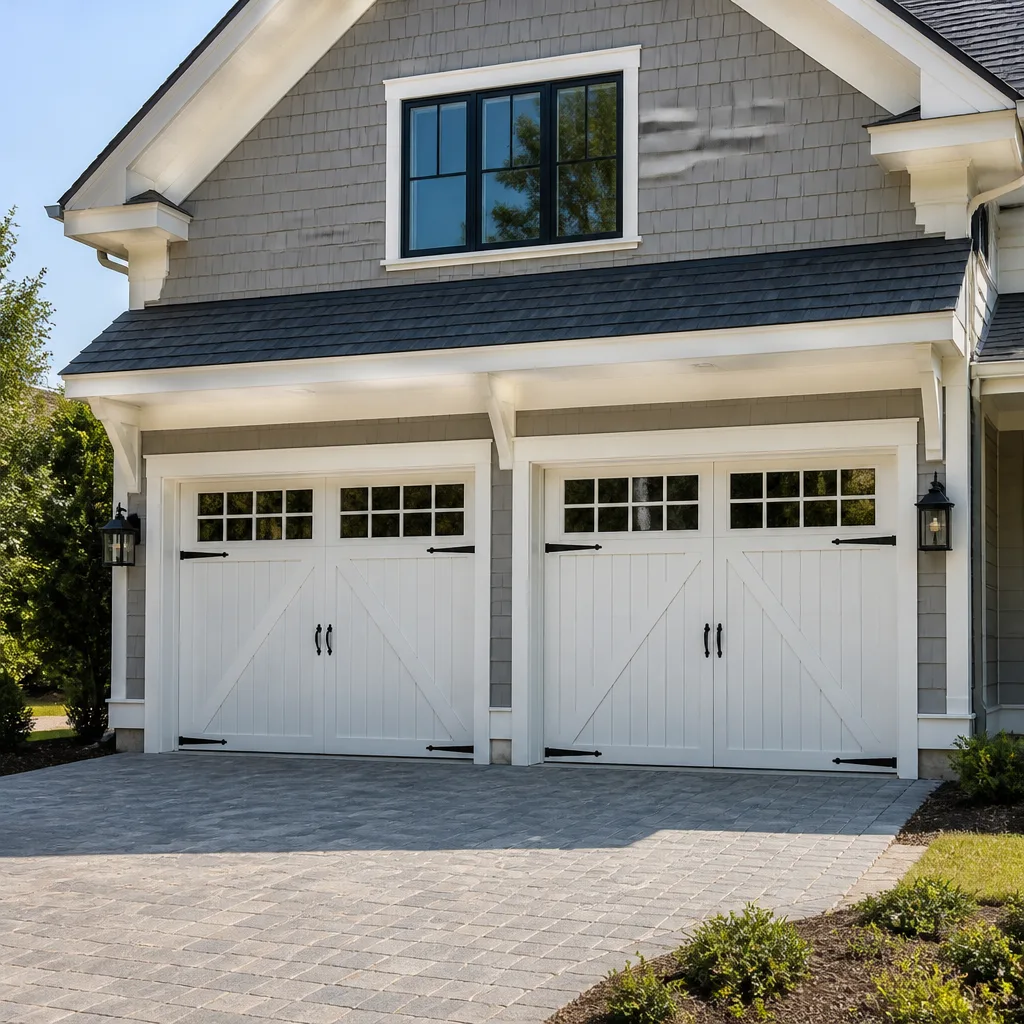 Carriage house
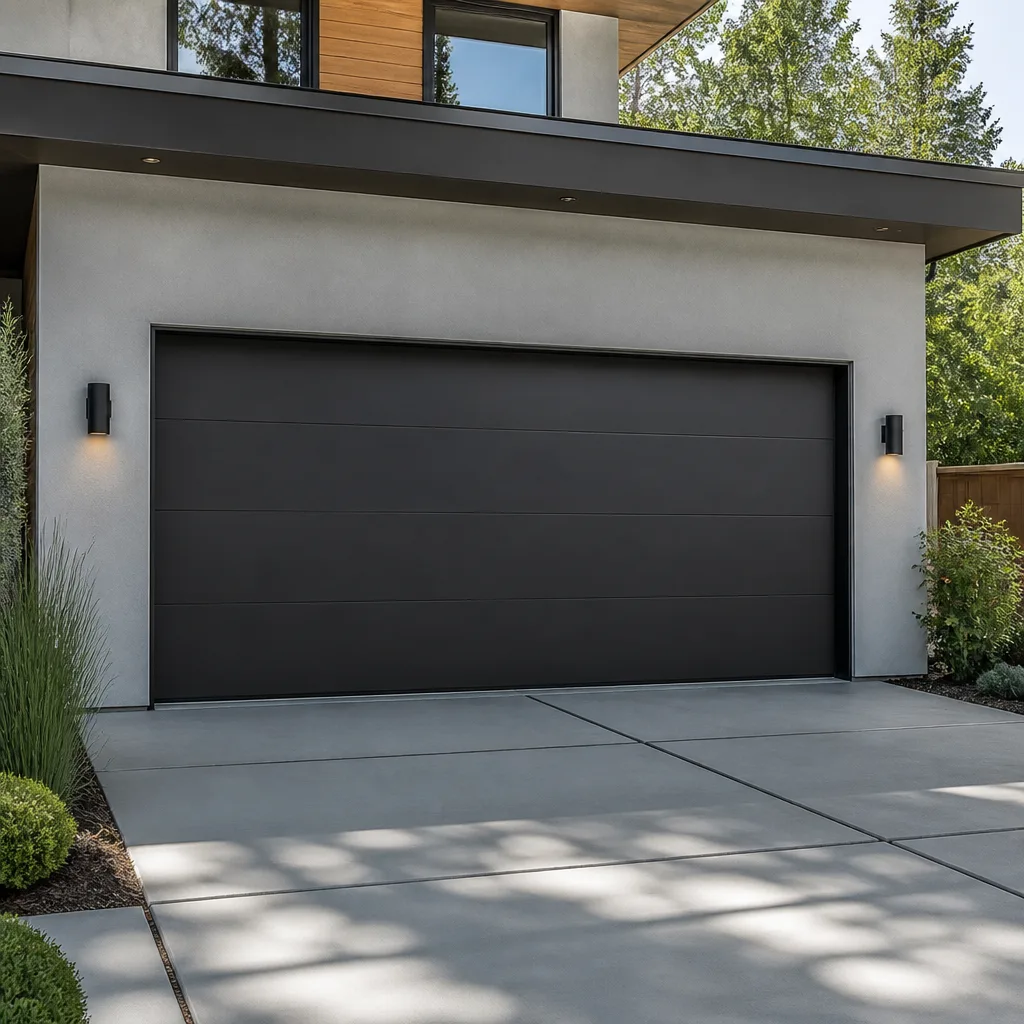 Modern flush
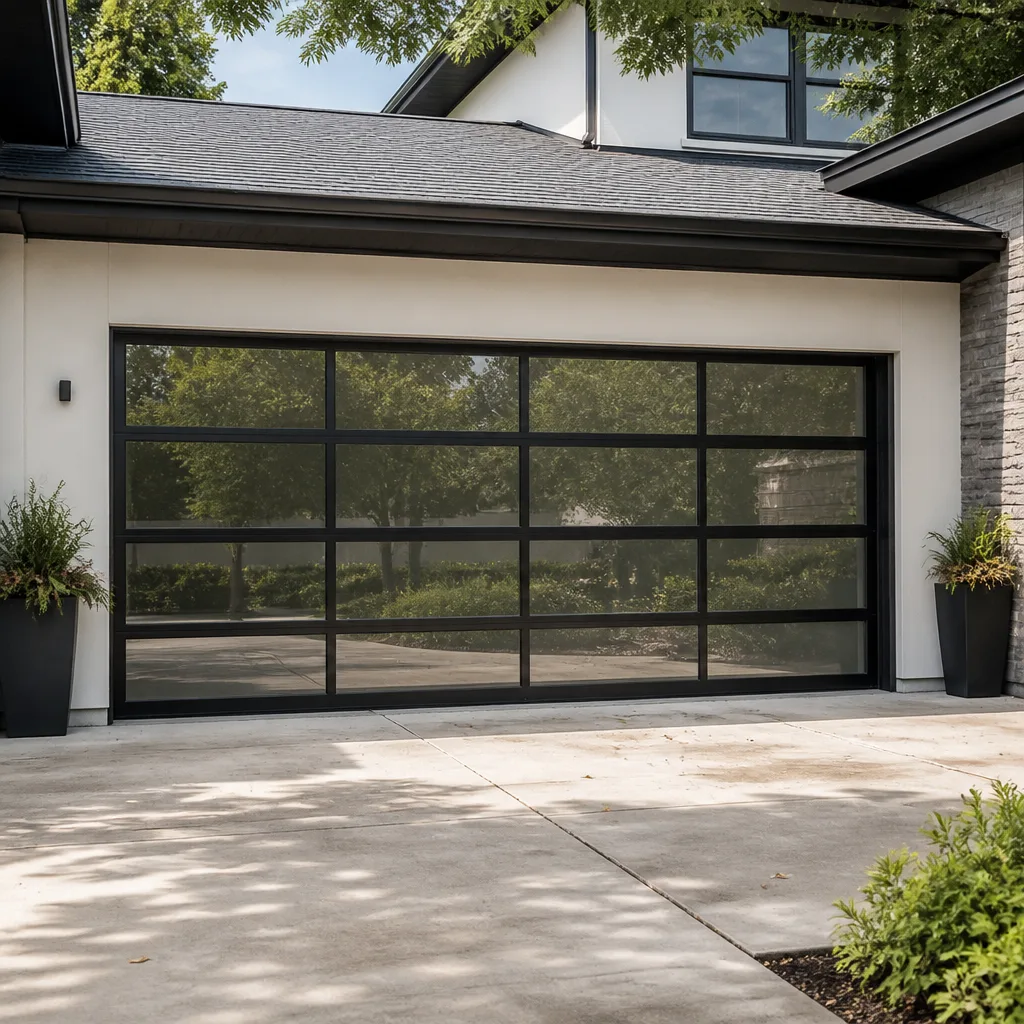 Full-view glass
 LiftMaster openers
 Chamberlain openers
Full 25-point door and opener safety check with every visit - springs, cables, rollers, tracks, and your LiftMaster or Chamberlain opener included
You get a price before we start. It does not change when the pro arrives.
Get your free estimateGarage Door Warning Signs: A North Port Homeowner’s Reference Guide
A torsion spring doesn’t snap without history. Long before it breaks, it usually leaves clues: a visible gap in the coil, a door that lifts unevenly, or a grinding note that shows up every morning and disappears by the time you’ve backed out of the driveway. Most homeowners in North Port walk past those signals for days or weeks, then call us when the door won’t budge at all. This guide is built to change that timeline. We’ll walk through the sounds, the visual clues specific to our heat and humidity, the movement patterns, and the opener behaviors that tell you whether you’re looking at a scheduled repair or a stop-using-the-door-today situation.
Quick Answer
The most reliable garage door warning signs are unusual sounds (grinding, squealing, popping, banging), a door that lifts unevenly or drifts back down, visible gaps or rust streaks on the springs, cracked bottom seals, and an opener that strains, reverses, or responds inconsistently. Any single sign deserves a professional inspection. Signs that involve a loud bang, a door stuck off-track, or a snapped spring mean stop using the door and call for emergency service.
Styles & brands we work with
- Raised-panel steel
- Carriage house
- Modern flush
- Full-view glass
- LiftMaster openers
- Chamberlain openers
Table of Contents
- What the Sounds Are Telling You: A Diagnostic Guide
- Visual Warning Signs That Hit Florida Doors Harder
- Movement Signals: Drift, Slow Travel, and Jerky Operation
- Opener Behavior: Motor Wear vs. Logic Board vs. Sensors
- Scheduled Service Call or Stop Using the Door Today?
- A Seasonal Walk-Around for North Port Homes
- Brand-Specific Notes: Amarr, Wayne Dalton, Craftsman, Raynor
What the Sounds Are Telling You: A Diagnostic Guide
Sound is the earliest warning system a garage door gives you, and each sound points to a different mechanical cause. Grinding usually means metal-on-metal contact: dry or worn rollers, a misaligned track, or a bearing that’s losing lubrication. Squealing is typically a lubrication or friction issue in the hinges, rollers, or springs. Popping can be a torsion spring winding down or a cable jumping its drum. A single loud bang followed by a door that won’t lift is almost always a broken torsion spring, and that’s the one that means stop.
We’ve learned to listen for where a sound comes from as much as what it sounds like. A grind that starts at the bottom of the travel and fades near the top points toward the track and rollers. A grind that stays consistent the whole way up usually implicates the opener’s gear and rail assembly. Squealing that appears only in the last foot of closing is often the bottom bracket or the seal dragging on the floor.
Match the Sound to the Likely Cause
- Grinding: worn rollers, dry bearings, or a track that’s out of alignment. Often the first sign before a roller seizes.
- Squealing: friction in hinges, rollers, or the torsion system. Lubrication may resolve it, but if it returns quickly, a component is worn.
- Popping: a spring that’s losing tension or a cable that’s slipped its drum. Treat as urgent.
- Banging: a door slamming down hard, which points to spring tension loss or a limit setting that’s drifted.
- Rattling at the opener: a loose rail, worn gear, or a chain that’s stretched.
The takeaway is simple: a door that sounds different from last month is telling you something changed. You don’t need to diagnose it yourself. You need to notice it and get it looked at before the sound turns into a failed part. If the noise has already shifted into a door that won’t move, that’s a case for garage door repair, and it’s worth calling before you keep cycling the opener.
Visual Warning Signs That Hit Florida Doors Harder
North Port’s heat and humidity work on a garage door in ways that don’t show up in colder climates. Springs develop rust streaks. Bottom seals crack and harden from UV exposure long before they fail outright. Wood-look and steel panels can warp from the constant heat cycling of an attached garage that bakes all afternoon. Walking around the door once a month with a flashlight catches most of this before it becomes a repair.
What to Look For on the Door Itself
- Rust streaks on the torsion springs: a sign of moisture exposure and a reason to have the spring inspected. Rust compromises the coil over time.
- UV-cracked bottom seal: a brittle, split seal lets water and pests in and can drag on the floor, straining the opener.
- Warped or bowed panels: heat cycling on an uninsulated door can push panels out of alignment, which stresses the hinges and track.
- Loose or missing hinges: visible gaps at the hinge plates mean the door is flexing more than it should.
- Cable fraying or slack: a cable that’s visibly frayed or hanging loose is a stop-using-the-door situation. Cables are under extreme tension.
- Track dents or bends: even a small bend can make the rollers drag and throw the door off balance.
Springs and cables are the two components we never advise a homeowner to touch. The tension stored in a torsion spring can seriously injure someone who doesn’t have the right winding bars and training, so visual inspection is where your role ends and ours begins. Our technicians have up to 15 years of experience with high-tension spring work. If you see rust on the springs or a frayed cable, treat it as a call-now item. That’s garage door spring repair territory, and it’s not a job for a general handyman.
Movement Signals: Drift, Slow Travel, and Jerky Operation
How the door moves tells you which side of the system is failing. If the door lifts unevenly, with one side racing ahead of the other, the springs or cables are the likely culprit. If the door moves evenly but slowly, or stalls mid-travel, the opener is the likely culprit. Jerky, stop-start motion can come from either, which is why we check both the mechanical door and the drive system before quoting a repair.
Step-by-Step: How to Read Door Movement
- Watch a full open-and-close cycle from the side. Look for a gap that opens between the door and the header on one side.
- Note whether the door drifts back down after it stops. Drift points to spring tension loss.
- Check whether the door travels at the same speed the whole way. Slow travel near the top or bottom often means a limit or force setting on the opener.
- Listen for a change in pitch as the door moves. A pitch change mid-travel often means a roller has hit a track defect.
- Try the manual release (with the door closed and no one underneath). A door that’s very hard to lift by hand, or that won’t stay up, has a spring problem.
That last step is the one most homeowners get wrong. A properly balanced door should lift with one hand and stay where you put it. A door that drops or feels extremely heavy means the springs are compromised, and that’s the point to stop testing and call. If the door is also stuck mid-track, that’s an emergency situation and it shouldn’t be forced. We handle North Port Garage Door Repair Pros emergency calls for exactly these cases, because a garage door that’s jammed open overnight is a security issue as much as a mechanical one.
Opener Behavior: Motor Wear vs. Logic Board vs. Sensors
Not every opener problem is an opener problem. A door that reverses on the way down, for example, is often the safety sensor, not the motor. A door that opens partway and stops is often a force setting reacting to a binding door, which means the real problem is mechanical. Separating motor wear from logic board failure from sensor trouble is the first step in any opener diagnosis.
Three Categories of Opener Behavior
- Motor wear: the opener strains, sounds labored, or fails to lift the door on the first try. Often the opener is fine and the door is heavier than it should be due to spring or roller issues.
- Logic board issues: the opener behaves inconsistently, forgets its limits, lights flash in unusual patterns, or the remote randomly stops working. This is often electronics, not mechanics.
- Sensor problems: the door reverses immediately on closing, or won’t close at all with the light on. Check that the safety sensors are aligned and that nothing is in the beam path.
Modern openers from LiftMaster, Chamberlain, Genie, and Craftsman add a fourth category: connectivity. A smart opener that’s lost its Wi-Fi pairing or its app login is a networking problem, not a mechanical one, and it’s worth ruling out before assuming the motor is failing. We’re factory-familiar with those platforms and the legacy systems they replaced, so we can usually tell you in a fifteen-minute visit which of the four categories you’re in. For a diagnosis on your specific unit, garage door opener repair is the right starting point.
Scheduled Service Call or Stop Using the Door Today?
The single most useful judgment call a homeowner can make is knowing when a warning sign allows you to schedule a service call and when it means stop using the door. Grinding, squealing, and minor visual wear are schedule-it items. A snapped spring, a frayed or slack cable, a door that’s jumped its track, or a bang followed by a non-functioning door are stop-using-it items.
Stop Using the Door Today If You Notice:
- A loud bang from the garage followed by a door that won’t lift.
- A visible gap in the torsion spring coil.
- A cable that’s snapped, frayed, or hanging loose.
- The door is off-track or visibly crooked in the opening.
- The door falls quickly or slams when closing.
- The opener runs but the door doesn’t move at all.
Safe to Schedule a Service Call If You Notice:
- Grinding, squealing, or rattling that’s developed gradually.
- Minor rust on the springs or hinges.
- A cracked or brittle bottom seal.
- One remote that’s stopped working while others still function.
- Slow travel or occasional jerkiness.
- A reversed or misaligned safety sensor.
When in doubt, treat it as the urgent category and call. A door that’s left cycling with a failing component will often do more damage in a week than it would have if it had been inspected the day the sound started. North Port Garage Door Repair Pros offers emergency service as a core offering, not an afterthought, so an after-dinner failure isn’t something you have to sit with until tomorrow.
A Seasonal Walk-Around for North Port Homes
A monthly walk-around, five minutes with a flashlight, catches the majority of garage door failures in North Port before they become repairs. The heat cycling in an attached garage accelerates wear on seals, springs, and hinges, and the seasonal swings here are enough to shift a door’s alignment over a year. The best practice is to run the same checklist every month and note anything new.
Monthly Walk-Around Checklist
- Run the door from fully closed to fully open and back, watching from the side.
- Look at the springs for rust streaks, gaps, or uneven coils.
- Check the bottom seal for cracks, hardening, or tears.
- Inspect the hinges for loose screws or gaps.
- Test the safety sensors by placing an object in the beam path and confirming the door reverses.
- Test the manual release (with the door closed) to confirm the balance is normal.
- Look at the track for dents, debris, or misalignment.
A note on scheduling: we’re closed on Saturdays. If your door fails on a Saturday, call and we’ll book you for Sunday, because a garage door that’s stuck open on a Saturday night in North Port is a security problem that won’t wait. For routine service, early mornings or Sundays are the best windows to plan around.
Brand-Specific Notes: Amarr, Wayne Dalton, Craftsman, Raynor
Brand matters less than the technician’s familiarity with the platform, but there are a few model-specific quirks worth knowing. Amarr doors use a hinge and roller combination that can develop a distinctive pop when the hinges wear, and the panels are susceptible to heat warping if they’re uninsulated. Wayne Dalton doors have historically used proprietary spring systems on some models that require specific parts, and a generic replacement won’t work. Craftsman openers, common on North Port homes built and updated over the years, use a logic board that shows wear with distinctive LED flash codes. Raynor doors often need their hinges torqued to a specific spec, so a loose-hinge complaint on a Raynor is a brand-literate diagnosis, not a generic one.
We service all four of those, plus the other major brands we work with regularly: LiftMaster, Chamberlain, Genie, and Clopay. That range matters because a warning sign on your door needs a technician who already knows what a normal Amarr sounds like versus a normal Raynor. A general handyman will guess. That’s the difference between diagnosing the sign and replacing half the system hoping one of the parts fixes it.
Common Mistakes to Avoid
- Assuming a slow door is just an old door. Slow travel is a symptom, not a personality trait. It usually gets worse and often takes a motor or logic board with it.
- Greasing the springs. Lubrication belongs on hinges, rollers, and tracks, not on torsion springs, where it attracts grit and disguises rust. If you’re not sure where the lube goes, don’t guess.
- Ignoring a grinding sound for weeks. A grind that starts as a nuisance often ends as a seized roller that bends the track. That’s a small repair turned into a larger one.
- Using WD-40 as a long-term lubricant. It’s a solvent more than a lubricant, and it’ll dry out the parts it’s sprayed on. Use a proper garage door lubricant.
- Adjusting the opener’s force limit to compensate for a heavy door. Cranking the force up on a binding door doesn’t fix the bind. It just hides it until something fails.
- Skipping the sensor test. A door that closes on a child or pet is a genuine hazard. Test the sensors monthly, not just when you suspect a problem.
- Trying to fix a spring or cable yourself. These components are under extreme tension. This is the one category of garage door work that should always go to a trained technician.
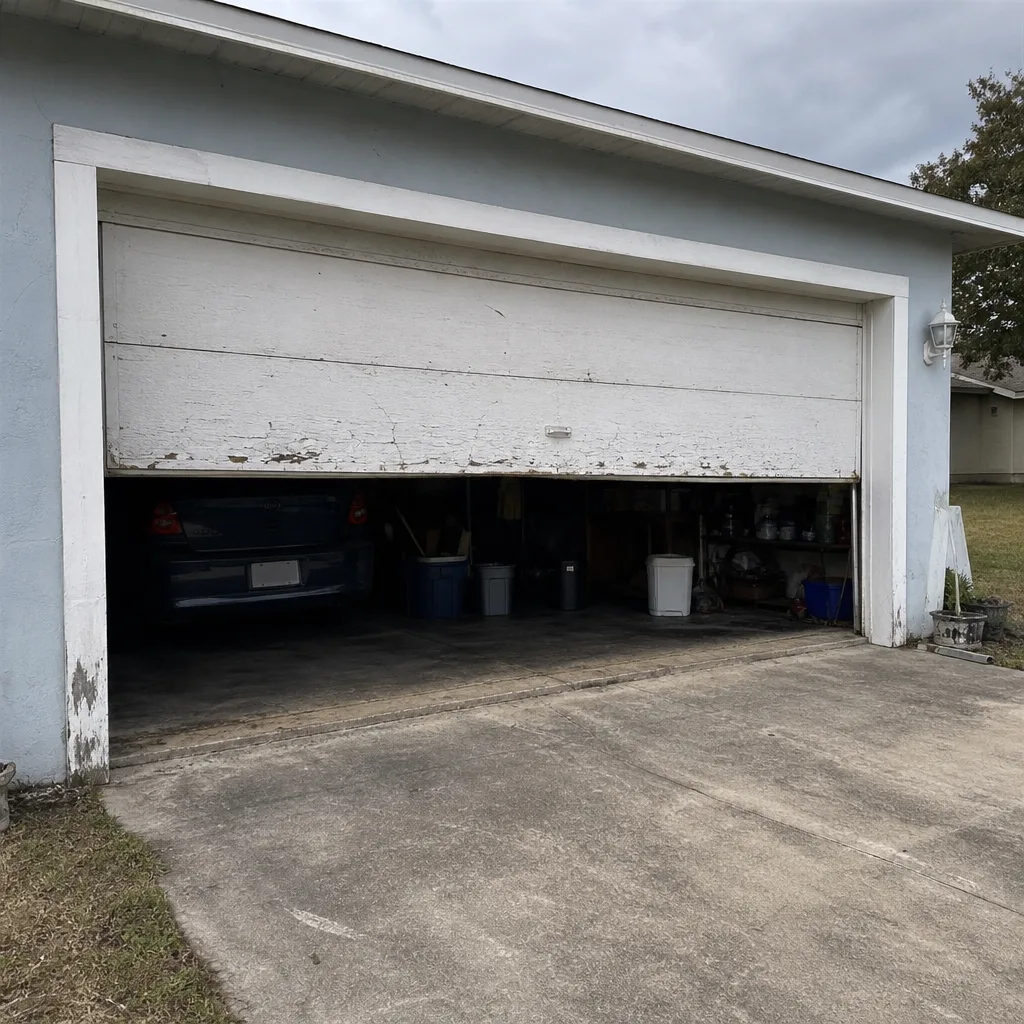
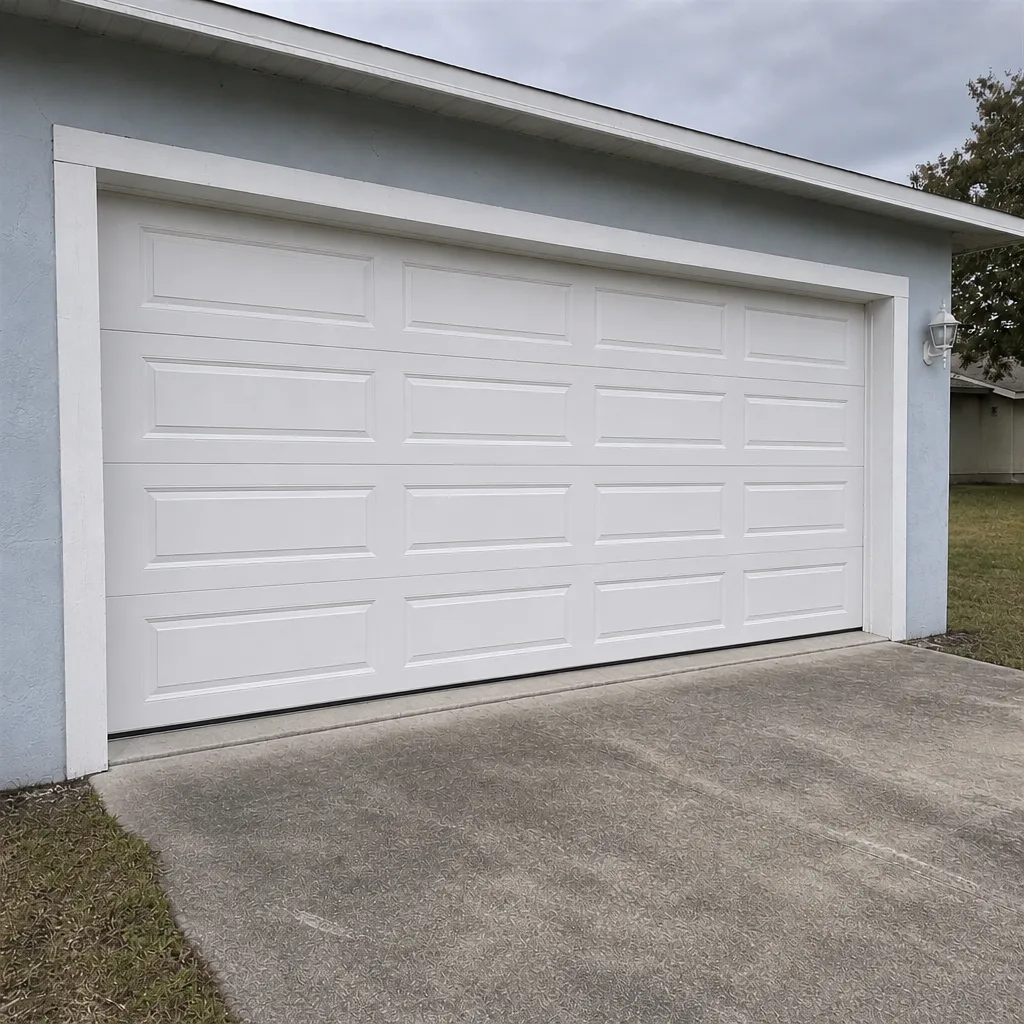
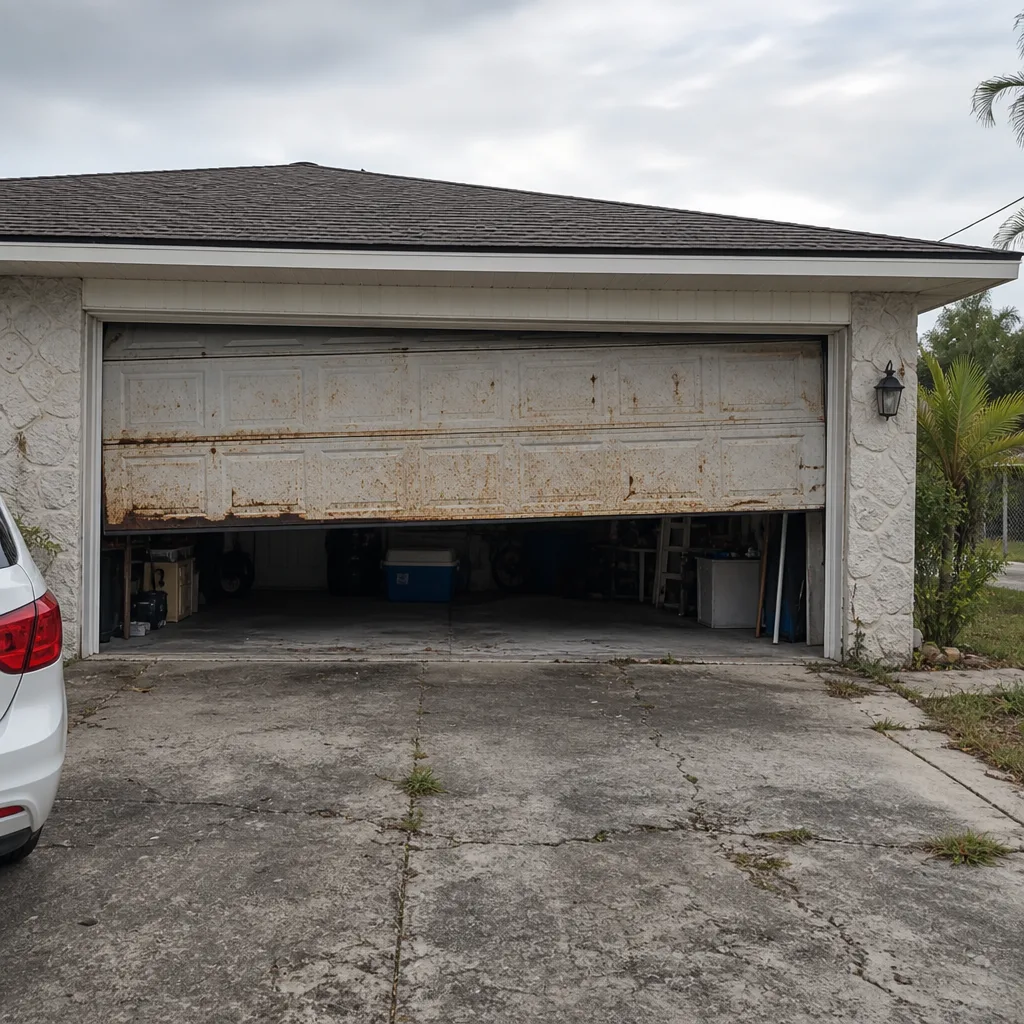
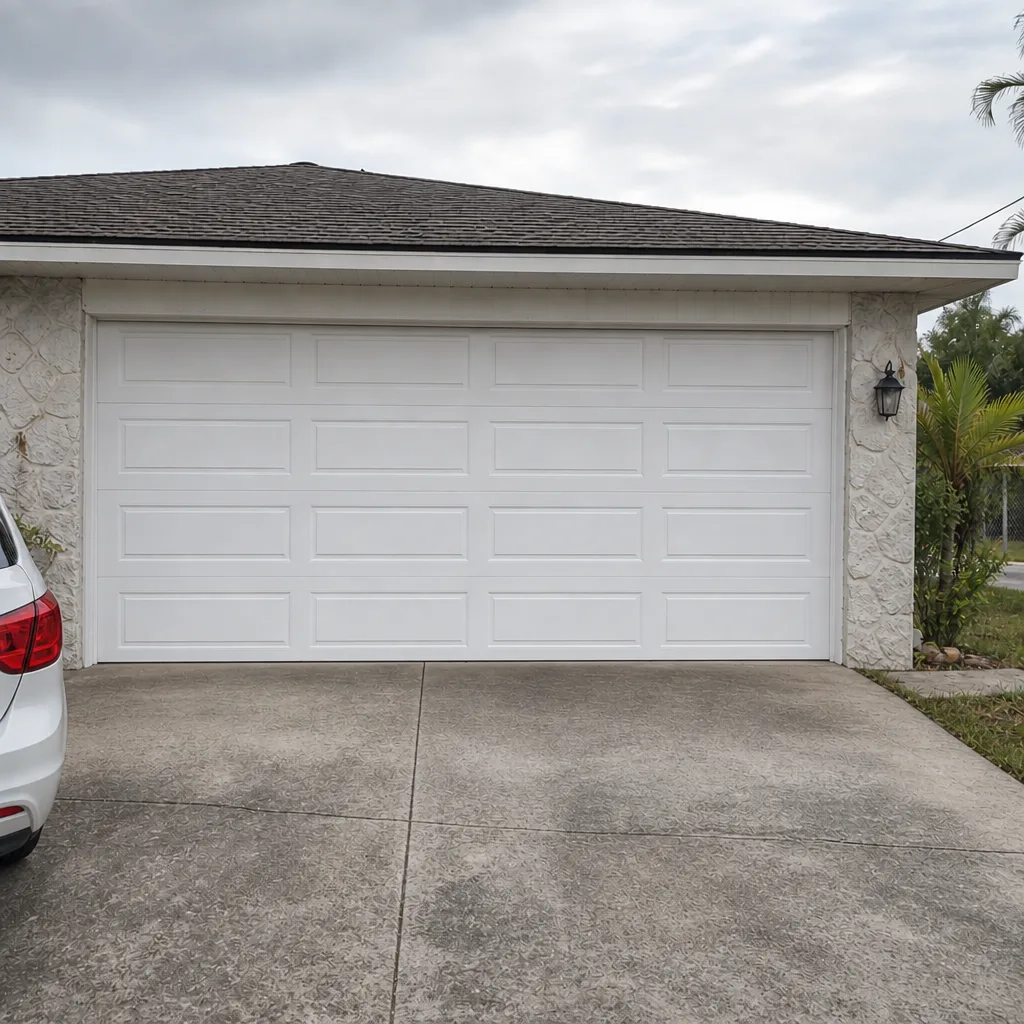
See the difference
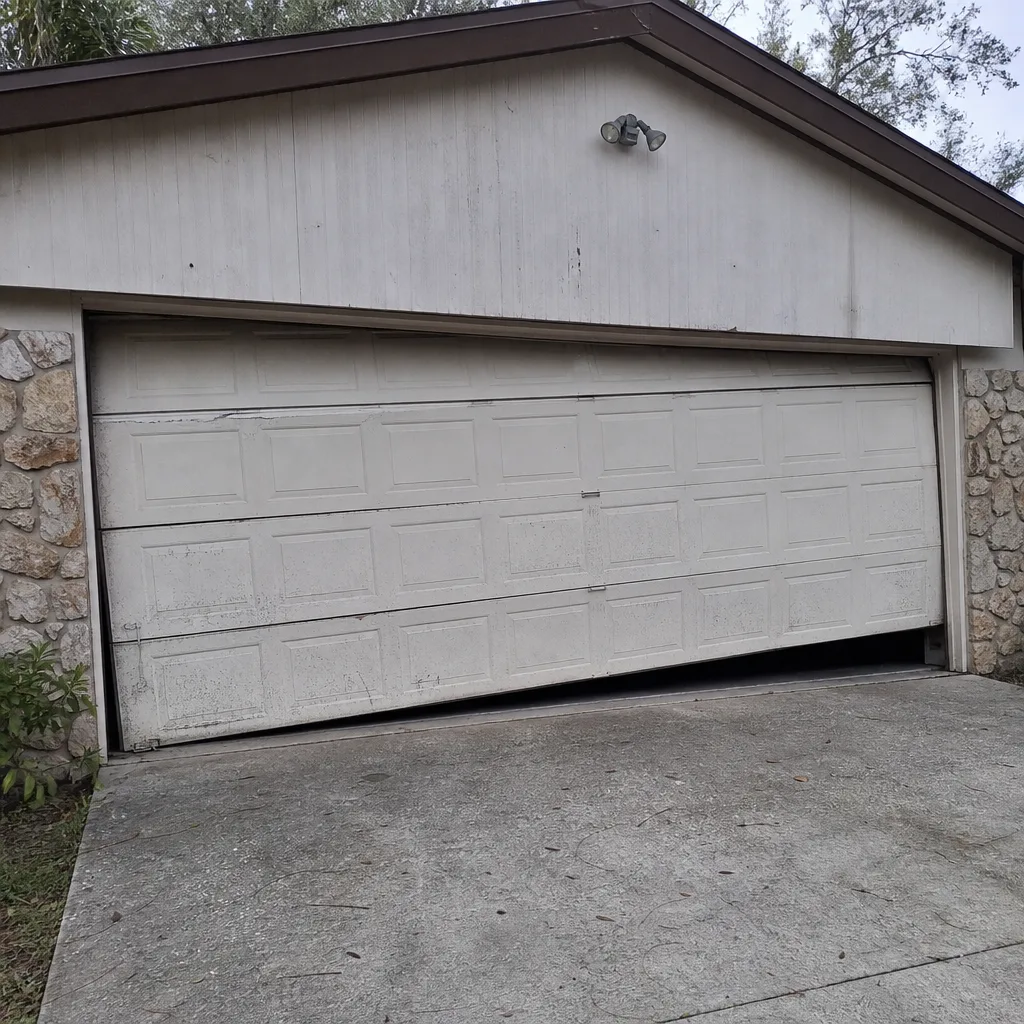 Before
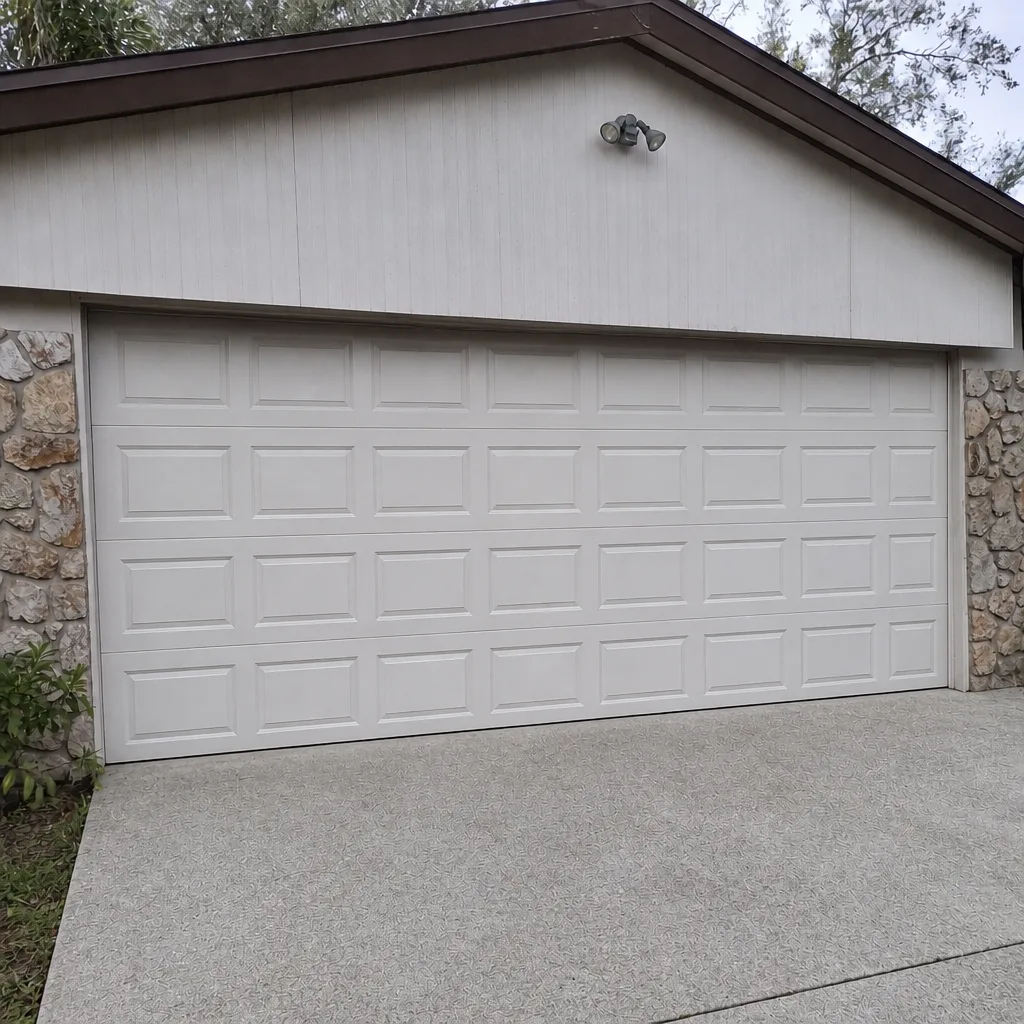 After
 Before
 After
 Before
 After
When to Call a Professional
Call a professional the moment you notice a sound, movement pattern, or visual clue that’s new or that’s been getting worse. If the door is completely stuck, off-track, or has snapped a spring, call now rather than waiting for a scheduled window, because a jammed door is a security exposure as much as a mechanical problem. LiftMaster, Chamberlain, Genie, Clopay, Amarr, Wayne Dalton, Craftsman, and Raynor systems are all within our wheelhouse, so a brand-literate diagnosis is one call away. North Port Garage Door Repair Pros offers free estimates in North Port. Call (855) 610-6385. We’re a specialist garage door company, not a general handyman service, and every job type on this page is within our core trade.
Frequently Asked Questions
The most common sign we see is a change in sound: grinding, squealing, or popping that wasn’t there a month ago. It usually points to worn rollers, dry bearings, or a spring that’s losing tension. If the sound is new, that’s the moment to schedule an inspection rather than waiting for the part to fail. Call (855) 610-6385 for a free estimate and we’ll tell you what the noise is pointing at.
No. A door with one broken spring on a two-spring system is carrying the whole load on the remaining spring, which is dangerous and will damage the opener. Stop using the door and have it repaired. A matched pair of springs is usually replaced together, so plan for that when you get the estimate. Call (855) 610-6385 for a free estimate on the repair.
A door that opens partway and stops is usually hitting a force limit that’s been tripped by a binding door. That’s most often a roller, hinge, spring, or track issue, not an opener failure. Don’t crank the force setting up to force it through, have the door inspected so the real cause is found. Call (855) 610-6385 and we’ll diagnose it.
Usually yes. The most common cause is the safety sensor: misalignment, dirt on the lens, or an object in the beam path. Check both sensors are aligned and clear before assuming a bigger problem. If they’re aligned and the door still reverses, the opener’s limit or force settings may need adjusting, and that’s a professional call. Call (855) 610-6385 for a free estimate on the diagnosis.
Yes. Heat cycling in an attached garage and humidity exposure both accelerate wear on torsion springs, and rust streaks on the coils are a common warning sign in North Port. Springs that show rust or a visible gap should be inspected before they fail. Our technicians have up to 15 years of experience with this and can tell you what the spring is telling you. Call (855) 610-6385 for a free estimate.
Estimates are free, and we’ll tell you what the sign points to before any work starts. The quoted price is agreed before the technician begins, so nothing should surprise you on the invoice. If a repair turns out to be needed, you’ll get a written price for that specific job. Call (855) 610-6385 to schedule a free estimate.
The Bottom Line
Garage door failures almost always announce themselves first. Grinding points to rollers and tracks, squealing to friction, popping to springs or cables, and a bang to a broken spring. Visual signs specific to North Port include rust on the springs, UV-cracked seals, and heat-warped panels, while movement signs (drift, slow travel, jerky operation) point to either the springs or the drive system. Opener behavior needs to be sorted into motor, logic board, sensor, or connectivity before you assume it’s the motor. And the judgment call that matters most is whether you can schedule a service call or need to stop using the door today. If you’re unsure, call.
Whether you’re hearing a grind you can’t place or you’re looking at a door that’s already stuck, North Port Garage Door Repair Pros is a full-service garage door specialist working on LiftMaster, Chamberlain, Genie, Clopay, Amarr, Wayne Dalton, Craftsman, and Raynor systems. Emergency service is a core offering, and estimates are free. Call (855) 610-6385 to schedule a free estimate and get a written price before any work begins.
Written by the team at North Port Garage Door Repair Pros.