Last updated November 21, 2026
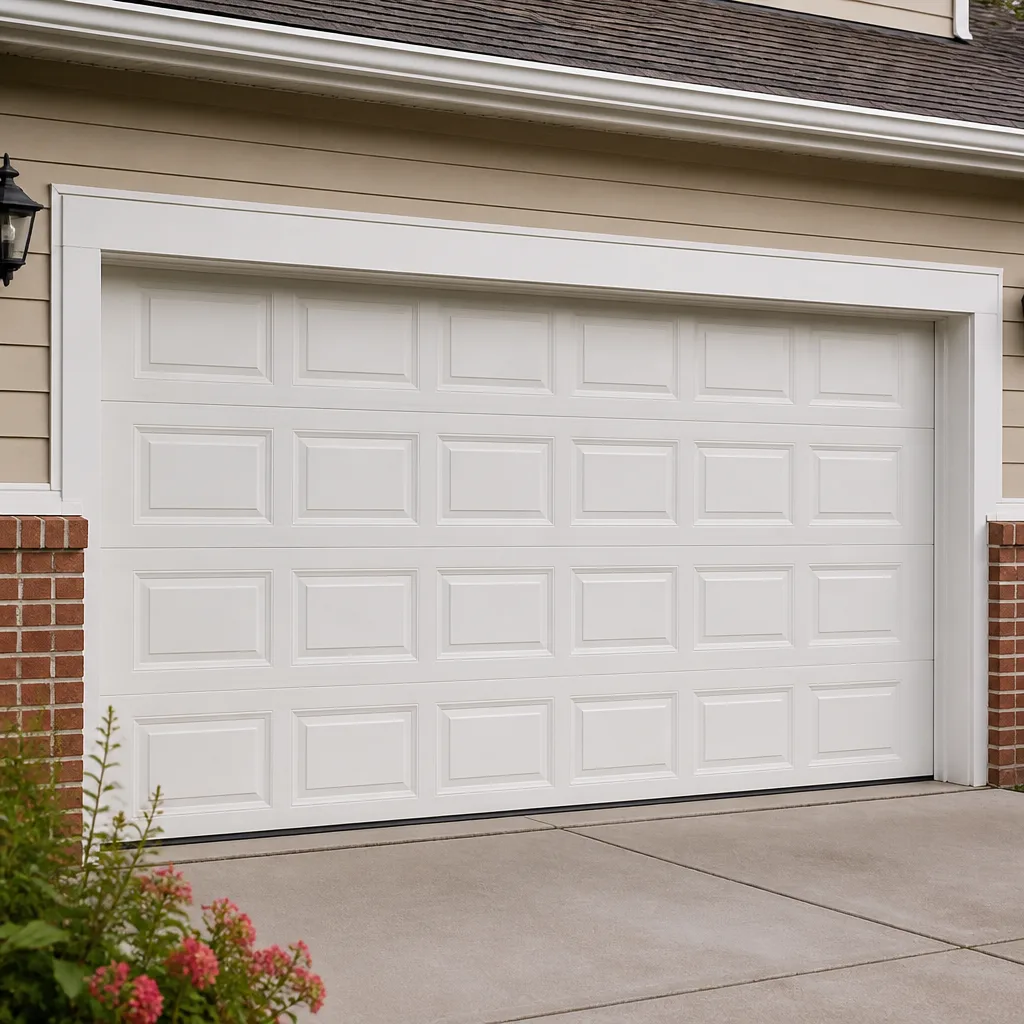 Raised-panel steel
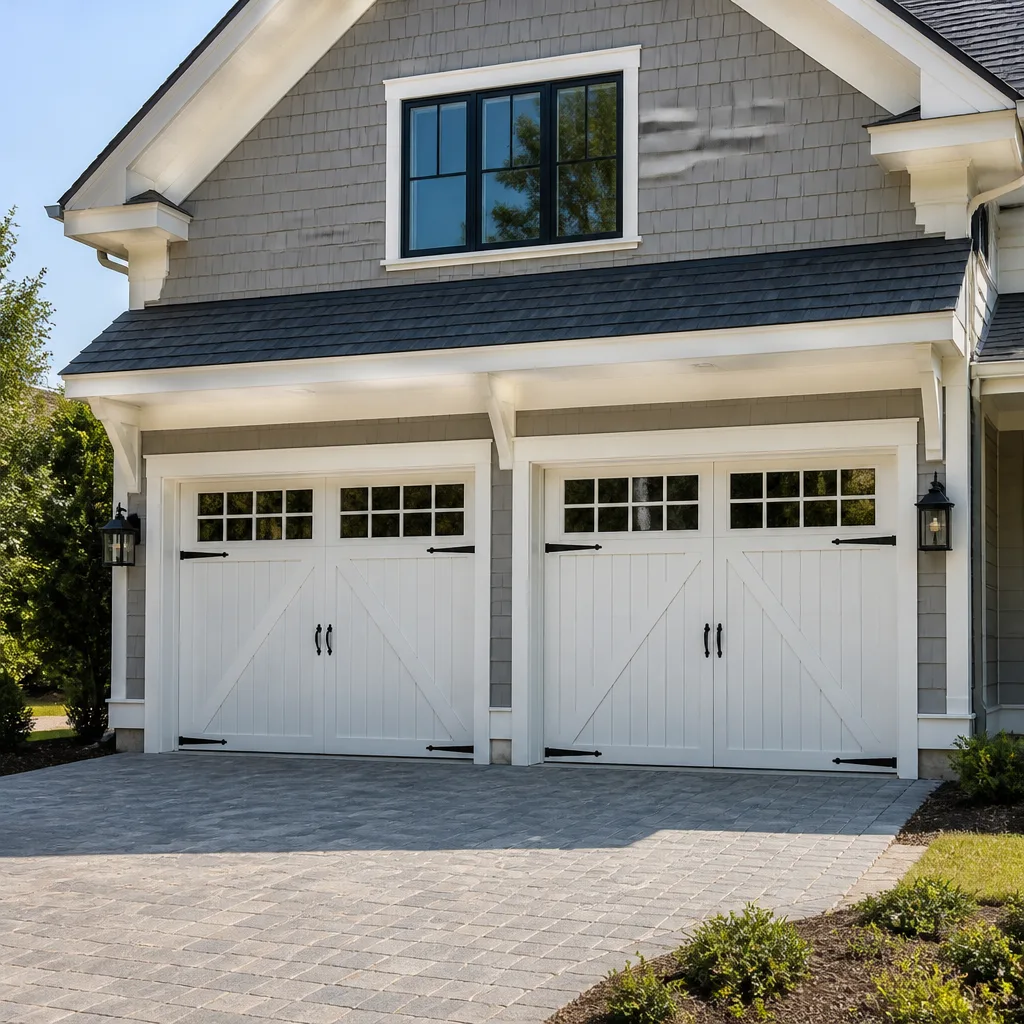 Carriage house
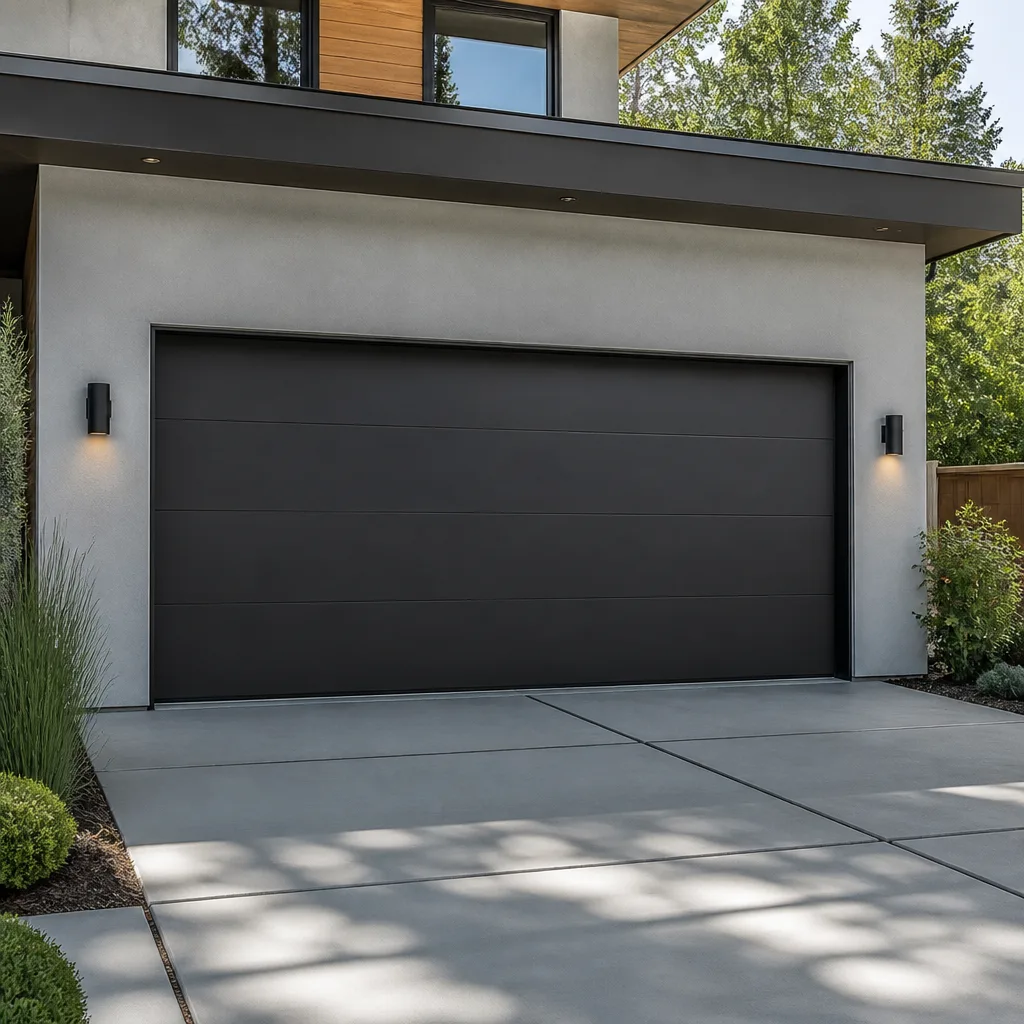 Modern flush
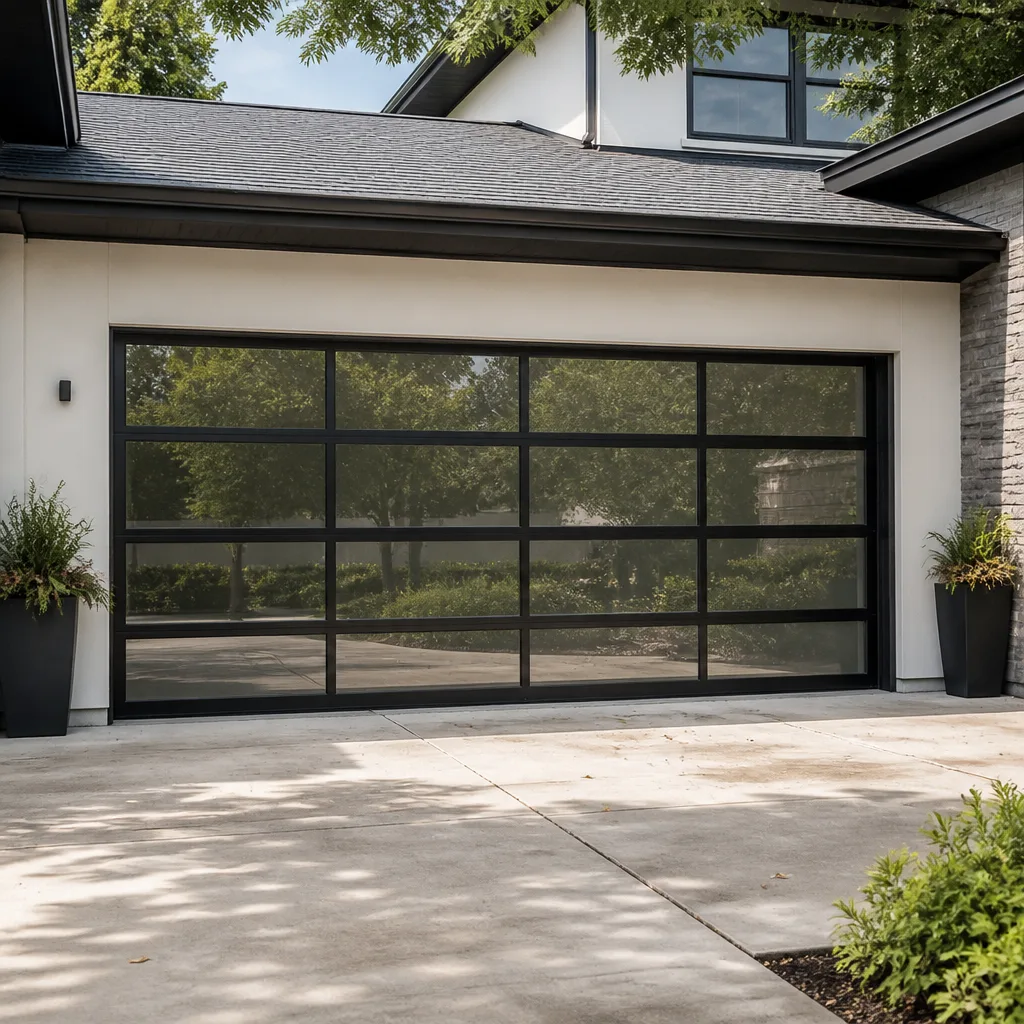 Full-view glass
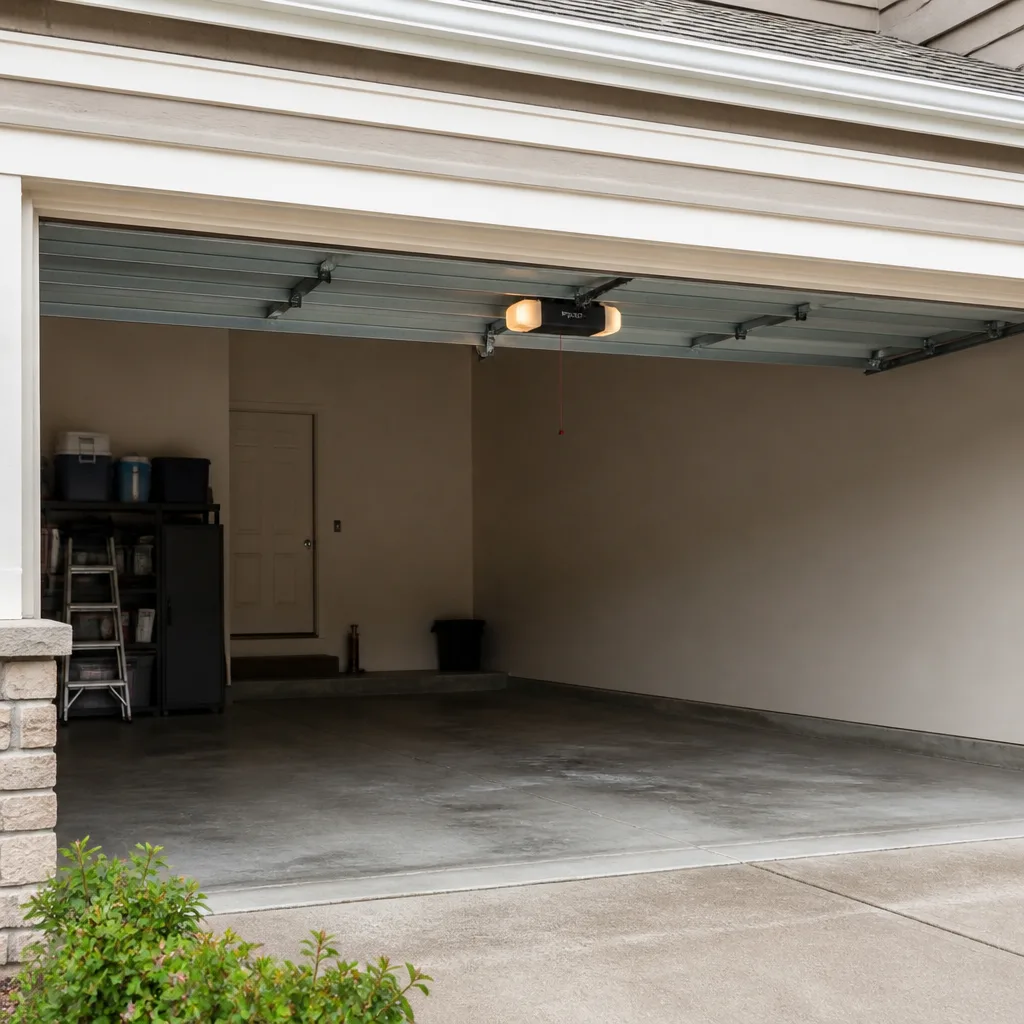 LiftMaster openers
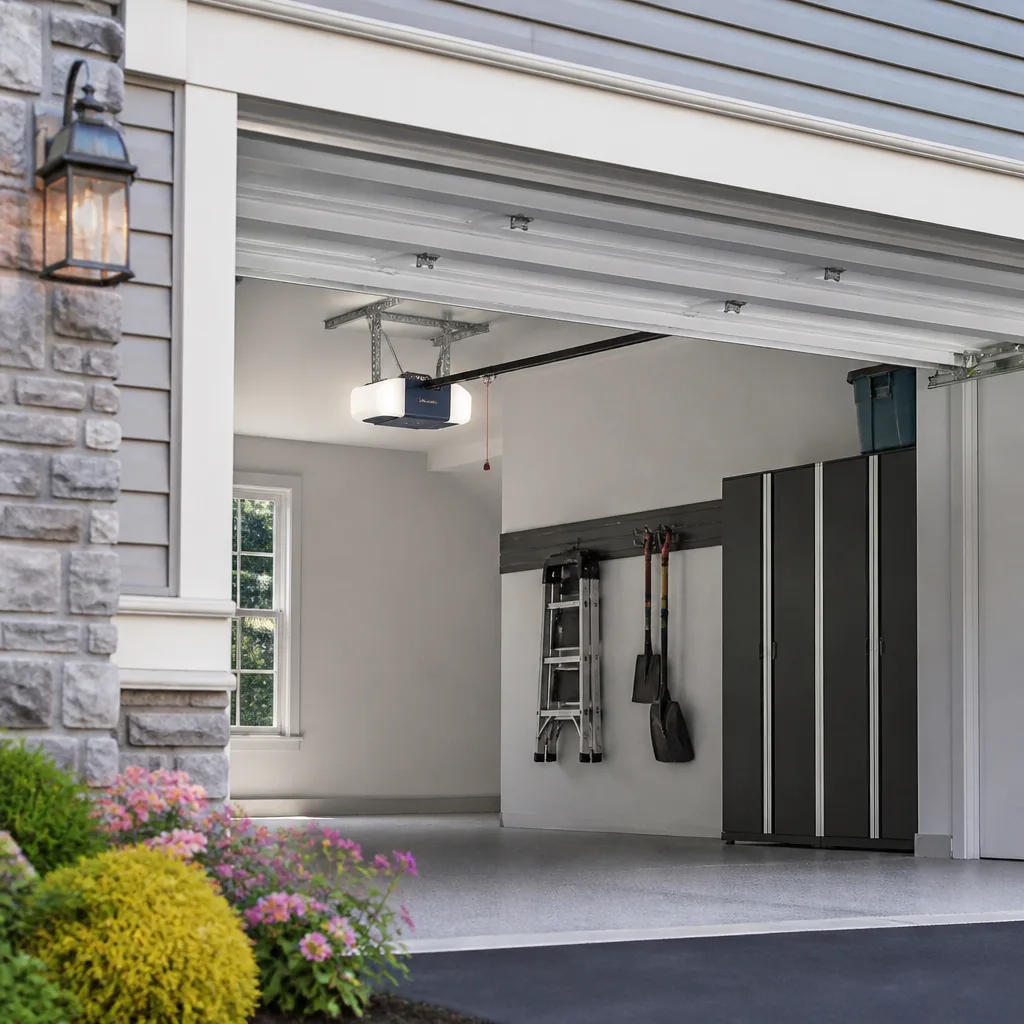 Chamberlain openers
Full 25-point door and opener safety check with every visit - springs, cables, rollers, tracks, and your LiftMaster or Chamberlain opener included
You get a price before we start. It does not change when the pro arrives.
Get your free estimateSeasonal Garage Door Care for North Port: Year-Round Homeowner’s Guide
Most homeowners in North Port assume garage door maintenance follows the calendar they grew up with: spring cleaning, fall tune-up, done. That schedule doesn’t fit here. North Port doesn’t really have four seasons. It has a dry season, a wet season, a hurricane prep window, and a snowbird surge, and each one hits your garage door differently. A spring that fails in July was usually weakened back in January. A wood door that swells in August was telling you something in May. This guide walks through what to check and when, month by month, so your door keeps working through every phase of the North Port year.
Quick Answer
Garage door care in North Port should follow the local climate, not the standard four-season schedule. The dry months from October through February are the best window for lubrication, weatherstripping checks, and spring replacement, while April and May are for hurricane prep and wind-load review. The wet season from June through September is when you watch humidity damage, bottom seals, and opener electronics, and every return from a long absence or a tropical system deserves a full inspection before you trust the door again.
Styles & brands we work with
- Raised-panel steel
- Carriage house
- Modern flush
- Full-view glass
- LiftMaster openers
- Chamberlain openers
Table of Contents
- Why North Port’s Climate Changes the Maintenance Calendar
- Dry Season (October – February): The Window That Sets Up the Rest of the Year
- Hurricane Prep Window (April – May): Inspection, Reinforcement, and Wind-Load Reality
- Wet Season (June – September): Humidity, Seals, and Opener Electronics
- The Snowbird Scenario: Leaving a North Port Home Vacant and Coming Back
- Post-Storm Inspection: What to Check Beyond the Obvious
- Common Mistakes to Avoid
- When to Call a Professional
- Frequently Asked Questions
Why North Port’s Climate Changes the Maintenance Calendar
Standard garage door advice is written for places with cold winters and dry summers. North Port flips that. Our winters are mild, our summers are humid, and the transition between the two is where most of the wear actually happens. Understanding the local pattern is the difference between a door that lasts and one that keeps calling for repair.
Here’s the counterintuitive part. The dry season is when most spring failures get set up. Low humidity thins out lubrication and lets metal contract slightly, which creates small stress points in the torsion spring and the hinges. Those stress points don’t announce themselves. They wait until the humidity climbs back in June, when the metal expands again and the whole assembly starts working harder, and that’s when the spring lets go. By then it looks like a summer failure. It was a winter problem.
North Port’s housing stock adds its own wrinkle. A lot of homes here are block construction with attached garages that get direct afternoon sun, and the garage often runs hotter than the rest of the house. That heat cycling, combined with humidity swings, works on wood door panels, rubber seals, and the plastic gears inside older openers. A door in a North Port subdivision like Lakeside Plantation or Berkshire Lakes sees a different wear pattern than the same door in a cooler climate.
What that means practically:
- The dry season is your maintenance window, not your rest period.
- The wet season is for monitoring, not heavy adjustments.
- Hurricane season overlays both and requires its own checklist.
- Snowbird absences create a fourth set of conditions that need handling before you lock the door and leave.
If you treat the North Port year as one long stretch and only react when something breaks, you’ll spend more on garage door repair than you need to. Working with the seasons instead of against them is cheaper and far less disruptive.
Dry Season (October – February): The Window That Sets Up the Rest of the Year
The dry season is the best time of year in North Port to do real garage door maintenance. Humidity drops, temperatures are comfortable, and the work you do now holds through the wet months. This is when we recommend the most thorough annual service, and it’s also the best window for spring replacement if a spring is showing age.
The single most valuable thing you can do between October and February is refresh the lubrication. Dry air pulls moisture out of the lubricant on the torsion spring, hinges, rollers, and tracks. Once that film thins, metal starts contacting metal, and that’s where the wear begins. A proper lubrication pass takes a homeowner about twenty minutes with the right product, and it’s the cheapest insurance a garage door has.
Dry Season Checklist
- Lubricate the torsion spring, hinges, and rollers with a garage-door-specific lubricant, not WD-40 or household oil. Those attract dust and gum up in the heat.
- Inspect weatherstripping and the bottom seal for cracks, flattening, or gaps at the corners. A seal that’s already failing will let water in all summer.
- Test the auto-reverse safety feature by placing a roll of paper towels under the door and closing it. The door should reverse on contact.
- Check the balance by disconnecting the opener and lifting the door halfway. It should stay put. If it drops or rises, the springs are out of adjustment.
- Look at the hinges and rollers for rust, cracking, or flat spots. Replace worn rollers before they start chewing the track.
- Inspect the opener’s drive system, whether that’s a belt, chain, or screw. Listen for new noises on a garage door opener repair call and note anything unusual.
- Schedule a spring assessment if your door is more than a few years old and the springs have never been checked.
Why This Is the Right Window for Spring Replacement
Torsion springs are under high tension and do the heavy lifting on every open and close cycle. Replacing them proactively in the dry season means the door enters the humid months with fresh, properly tensioned springs instead of tired ones that are already stressed. It also means you’re not trying to schedule a repair in the middle of a July afternoon when the garage is 100 degrees and the whole neighborhood is having the same problem.
Spring work is genuinely dangerous and should be handled by trained technicians. We want to be clear about that. These are high-tension components and the wrong tool or the wrong technique can cause serious injury. Our team specializes in garage door spring repair, and our technicians have up to 15 years of experience working with torsion and extension systems.
Hurricane Prep Window (April – May): Inspection, Reinforcement, and Wind-Load Reality
April and May are your hurricane prep window in North Port, and the garage door is the largest opening on the house. This is the part of the year when you stop thinking about wear and start thinking about wind. A garage door that fails in a storm doesn’t just let wind in; it can compromise the pressure envelope of the whole structure, which puts everything behind it at risk.
The prep work breaks into three areas: what to inspect, what to reinforce, and whether the door itself is still rated for the wind loads it’s likely to see.
What to Inspect Before Hurricane Season
- Track alignment and anchors. Tracks that have worked loose, or anchor bolts pulling out of the framing, are a wind failure waiting to happen.
- Panel condition. Dents, cracks, or delamination in the door panel weaken the door’s ability to resist wind pressure.
- Hinge and roller integrity. Loose hardware rattles under wind load and can fail at the worst moment.
- Bottom seal condition. A degraded seal doesn’t hold the door as tightly and lets water in during driving rain.
- Opener hold-down strength. The opener arm and its attachment to the door need to be solid.
What to Reinforce
Reinforcement usually means vertical and horizontal bracing on the door itself, and sometimes additional anchoring to the framing. The right approach depends on the door’s construction: a steel sectional door braces differently than a wood or aluminum one. This is also where brand matters. A LiftMaster or Craftsman opener paired with a specific door model has its own recommended bracing pattern, and a technician who works with those systems regularly will know what the manufacturer expects.
When a Door Won’t Pass a Wind-Load Review
Older doors installed before current wind-load expectations were common sometimes can’t be brought up to standard with bracing alone. If the panels are compromised, or the door’s rated pressure doesn’t match what the local building department expects for your area, replacement may be the honest answer. North Port sits in a wind zone where this matters, and a door that’s structurally compromised isn’t a candidate for meaningful reinforcement. Ask your city’s building department about local wind-load and permitting requirements for your specific home before you commit to a plan. This is a good time to have a professional assess the door and give you a written recommendation.
Wet Season (June – September): Humidity, Seals, and Opener Electronics
The wet season is when North Port’s humidity sits high for months at a time, and it’s the season that reveals every weakness the dry months left behind. Doors that felt fine in February start showing their problems by July. The work during these months is mostly monitoring and small corrections, not big repairs.
Wood Doors and Humidity
Wood absorbs moisture and swells. In a North Port wet season, a wood door can swell enough to bind in the frame or stop closing flush. If you have a wood door, watch for:
- Panels that drag or rub against the frame
- Visible gaps opening between panels or at the edges
- Paint or finish peeling in patches, which exposes raw wood to moisture
- Any swelling at the bottom edge where the door meets the ground
Keeping a good coat of exterior finish on a wood door is the main defense. If the finish is failing, it needs attention before the next wet season, not during it.
Bottom Seals and Weatherstripping
The bottom seal is the door’s first line of defense against water intrusion. In the wet season it gets tested constantly. A seal that’s cracked, flattened, or pulling away at the corners lets water into the garage and can lead to moisture problems inside the home. Replacing a bottom seal is a small job that prevents a much bigger one.
Opener Electronics
Humidity isn’t kind to opener electronics. Circuit boards, sensors, and the safety-eye system are all vulnerable to moisture, and a Genie or Chamberlain unit that works fine in dry weather can start acting up when the air is thick. If your opener is behaving strangely during the wet season, look for:
- Safety eyes that won’t align or keep losing their beam
- The door reversing for no apparent reason
- Remotes or wall controls that work intermittently
- Grinding or clicking sounds from the opener housing
Fogging on the inside of the garage door and moisture collecting near the opener are warning signs worth acting on. A technician can check the sensor alignment and the opener’s internal condition before small electronic issues turn into a failed unit.
The Snowbird Scenario: Leaving a North Port Home Vacant and Coming Back
A lot of North Port homes sit vacant for four to six months at a time. That’s a normal part of life here, but a garage door that isn’t prepared for an empty house can cause real problems: a door that’s left in the wrong position, a seal that fails while nobody’s watching, or an opener that loses its programming and won’t respond when you return.
Before You Leave
- Lubricate everything one last time. The dry season is ideal for this, and it keeps metal protected through the vacant stretch.
- Inspect and replace the bottom seal if it’s showing wear. You don’t want to come back to water damage.
- Test the safety reverse and the balance so you know the door is working before you go.
- Disconnect the opener and engage manual lock if the door has one. This prevents anyone from opening it remotely while you’re away.
- Close the door fully and confirm the seal is seated all the way around.
- Leave the opener plugged in if you want the sensor active, or unplug it if you’d rather have no power to the unit at all. Either is fine; just know which you chose.
When You Return
- Look at the door before you touch it. Check for sagging, visible damage, or anything that looks different from when you left.
- Reconnect the opener and test the safety reverse before relying on the door.
- Run the door through a full open and close cycle manually first, listening for grinding or sticking.
- Check the bottom seal and weatherstripping for cracking or separation that happened while you were gone.
- Test the remotes and wall controls. If the opener lost its programming, a reprogramming is typically a quick fix.
- Inspect the springs for anything unusual. A spring that failed while the house was empty is better found before you’re trying to leave for an appointment.
If anything looks off when you return, don’t force it. A door that’s misaligned or a spring that’s failed needs a professional look before it’s used. North Port Garage Door Repair Pros handles these recommissioning calls regularly for snowbird homeowners in North Port.
Post-Storm Inspection: What to Check Beyond the Obvious
After any tropical system moves through North Port, the obvious damage is easy to see: a bent panel, a door off its track, debris in the driveway. The problems that cause trouble later are usually the ones you can’t see from the street. A post-storm inspection is worth doing carefully, even if the door looks fine at first glance.
The Post-Storm Inspection Protocol
- Look at the whole door from the driveway first. Check for panel alignment, sagging, or anything that looks out of square.
- Inspect the track and anchor points. Look for gaps at the floor and ceiling brackets, and check that the track hasn’t shifted or bent.
- Run the door by hand (disconnect the opener first). It should move smoothly without binding or grinding. Any resistance means something has shifted.
- Test the safety reverse after reconnecting the opener, even if everything seemed fine.
- Check the bottom seal and weatherstripping for tearing or displacement from wind-driven rain.
- Look at the springs and cables. A spring that stretched or shifted during a storm is a safety concern, and cables that have come loose are worse.
- Check the opener housing for water intrusion, especially if the garage took on any water.
- Look at the framing around the door for signs of movement, loose anchors, or water staining.
If a storm left your door stuck, off-track, or unable to close, emergency service matters because a door that won’t close leaves the house open. We offer emergency garage door service for exactly these situations, which is a core part of what we do, not an afterthought.
Common Mistakes to Avoid
- Using the wrong lubricant. WD-40, cooking oil, and general-purpose grease all attract dust and gum up in North Port’s heat. Garage-door-specific lubricant is the only thing that belongs on a torsion spring or roller. The wrong product can actually speed up wear.
- Ignoring the bottom seal through the wet season. The bottom seal takes the most abuse of any part of the door and it’s the cheapest to replace. A failed seal means water in the garage and, eventually, moisture problems in the house. Check it in May before the rain starts.
- Painting over a wood door that’s already swelling. In a North Port wet season, a swollen wood door will bind again even with a new coat of paint. The swelling needs to be addressed first, or the paint fails right along with the door.
- Replacing springs without checking the opener. A new spring changes the load the opener has to move. If the opener was already struggling, fresh springs won’t fix it. Both need to be evaluated together.
- Skipping the pre-hurricane wind-load review. Bracing an older door without knowing whether it can meet the local wind-load expectations wastes money. Get the assessment first, then decide between reinforcement and replacement.
- Leaving for the season without a last inspection. A snowbird who leaves a door with a failing seal comes back to water damage. Twenty minutes of inspection before you go saves a much bigger headache later.
- Running a door that’s clearly out of balance. A door that won’t stay halfway up has a spring problem and every cycle adds stress. This is a stop-and-call situation, not a keep-using-it situation.
When to Call a Professional
Most of the seasonal care in this guide is homeowner work: lubrication, visual inspection, and a little common sense. But some situations need a trained technician, and knowing the difference protects both your door and your safety.
Call a professional if a spring has broken, if the door is off its track, if the cables are loose or frayed, if the door won’t stay balanced, if the opener is making grinding or clicking noises it didn’t make before, or if a storm has left the door in any position other than fully closed and secure. Spring and cable work in particular is not a DIY job; these are high-tension components and the risk of serious injury is real. Our technicians have up to 15 years of experience and the tools for that work.
North Port Garage Door Repair Pros offers free estimates in North Port. Call (855) 610-6385 to schedule an inspection or get a written price before any work begins.
Frequently Asked Questions
Once a year is the general guideline, ideally in the dry season between October and February. North Port’s humidity pattern means the work you do in those months holds through the wet season, so an annual service timed to the dry months gets the most value. Doors in heavy use, or on homes with wood panels, often benefit from a second lubrication pass mid-year.
The dry season, roughly October through February, is the best window for spring replacement. Lower humidity and comfortable working temperatures make the job easier, and the door enters the humid months with fresh springs instead of tired ones. That timing also avoids the rush that builds when summer heat starts breaking older springs.
Yes, and it’s the main reason North Port doors wear the way they do. Humidity swells wood panels, degrades rubber seals, and stresses opener electronics. It also changes how the metal in springs and tracks behaves. The wet season is when most of that damage accumulates, and the dry season is when you prevent it.
Don’t force it. A door that won’t close after a storm is usually off its track, has a shifted anchor, or has a damaged component, and forcing it can make the damage worse or cause injury. Disconnect the opener, leave the door where it is if it’s safe, and call for emergency service so the door can be secured properly.
Lubricate the moving parts, inspect and replace the bottom seal if it’s worn, test the safety reverse, and confirm the door closes and seals fully. Then either disconnect the opener or unplug it, depending on your preference. A quick inspection before you leave prevents most of the problems snowbird homeowners find when they return.
Yes. We service Wayne Dalton, Craftsman, Raynor, LiftMaster, Chamberlain, Genie, Clopay, and Amarr systems, which covers the major brands installed across North Port. Whether it’s a seasonal tune-up or a repair, a brand-literate technician saves time because the door’s specific quirks are already understood. Call (855) 610-6385 with your brand and model ready.
The Bottom Line
Garage door care in North Port works best when it follows the local climate instead of a generic calendar. The dry season from October through February is your maintenance window, and the lubrication and spring work you do then carries the door through the rest of the year. April and May are for hurricane prep and a hard look at whether the door can handle what the season might bring. The wet months are for monitoring seals, humidity effects, and opener electronics. And if you leave for the season, prepare the door before you go and inspect it when you return. A little attention at the right time of year keeps the door working, and keeps the cost of repairs down.
If you’d rather have a trained eye go over the door before the next season change, North Port Garage Door Repair Pros can help. Call (855) 610-6385 for a free estimate. We service LiftMaster, Chamberlain, Genie, Clopay, Amarr, Wayne Dalton, Craftsman, and Raynor systems, from a simple tune-up to a new installation, and the price is quoted and agreed before any work starts.
Written by the team at North Port Garage Door Repair Pros.
See the difference
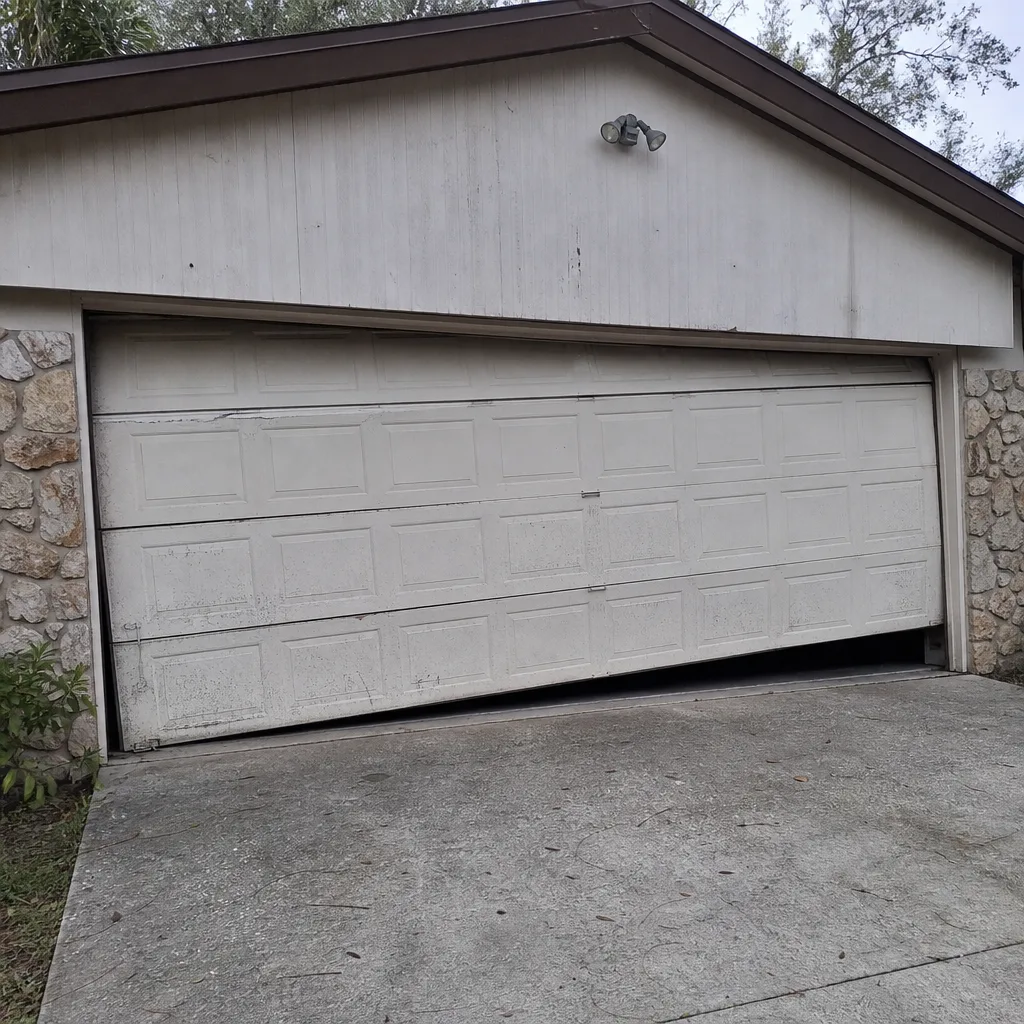 Before
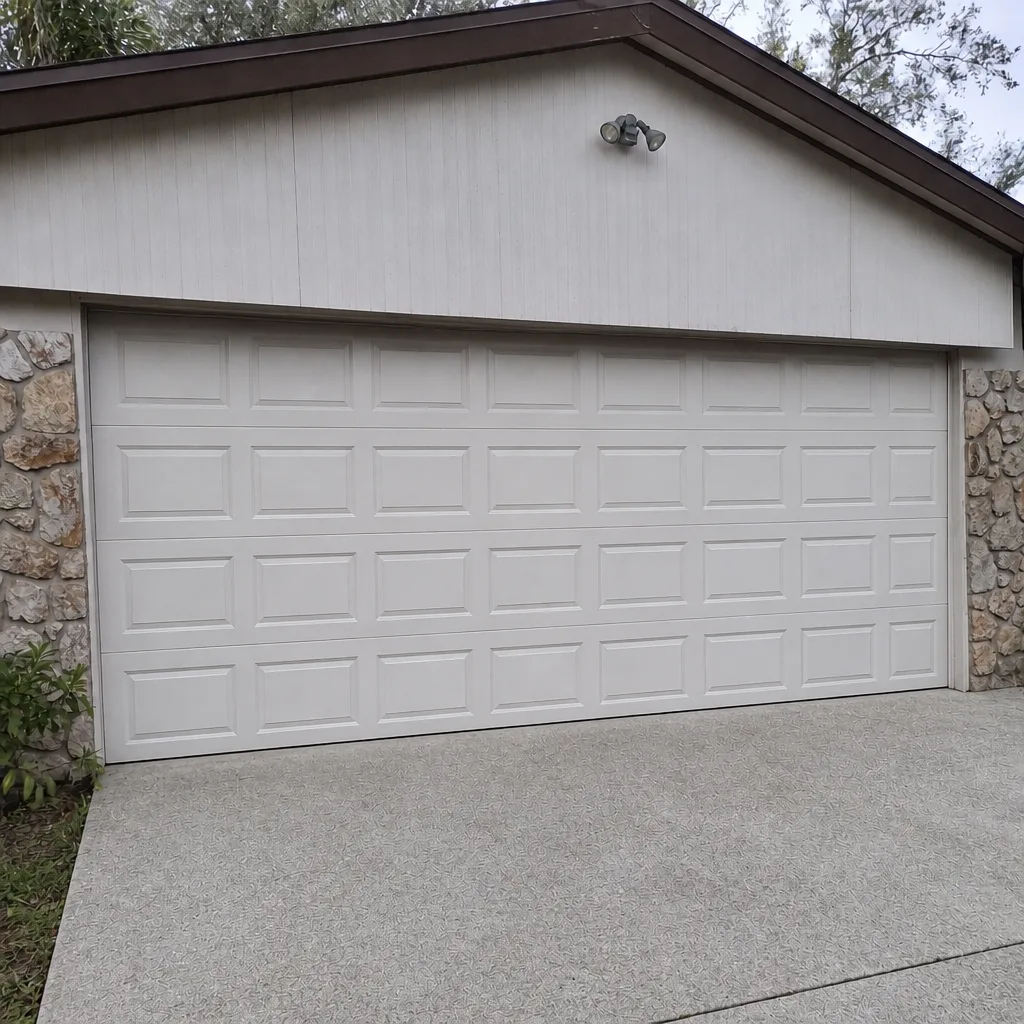 After
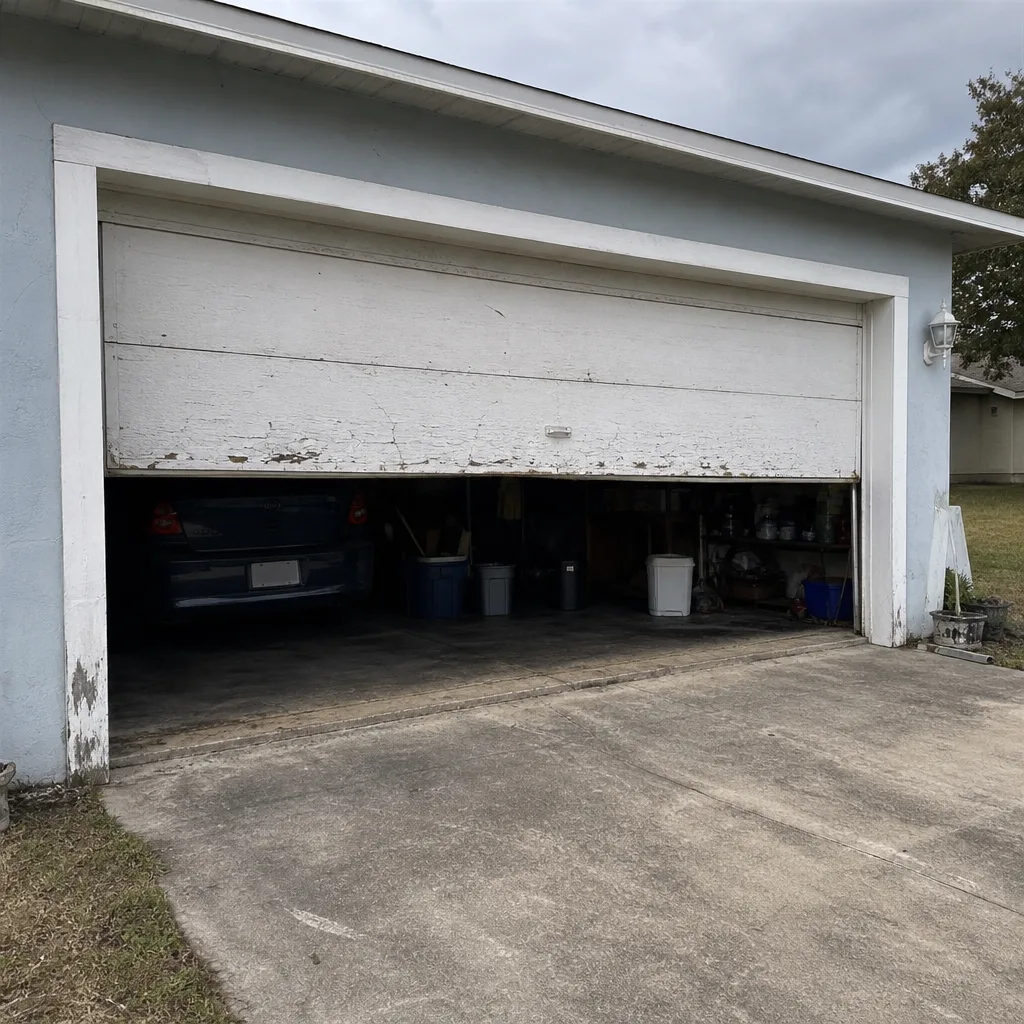 Before
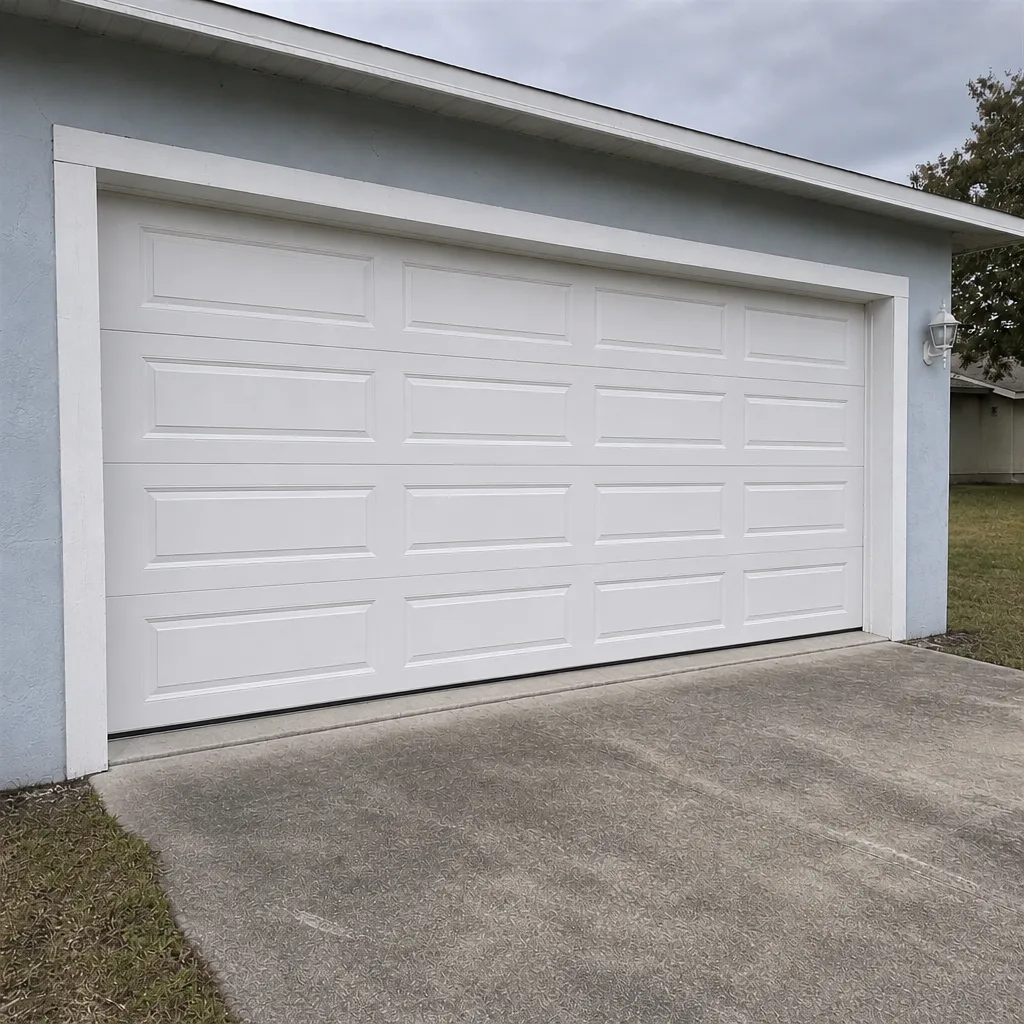 After
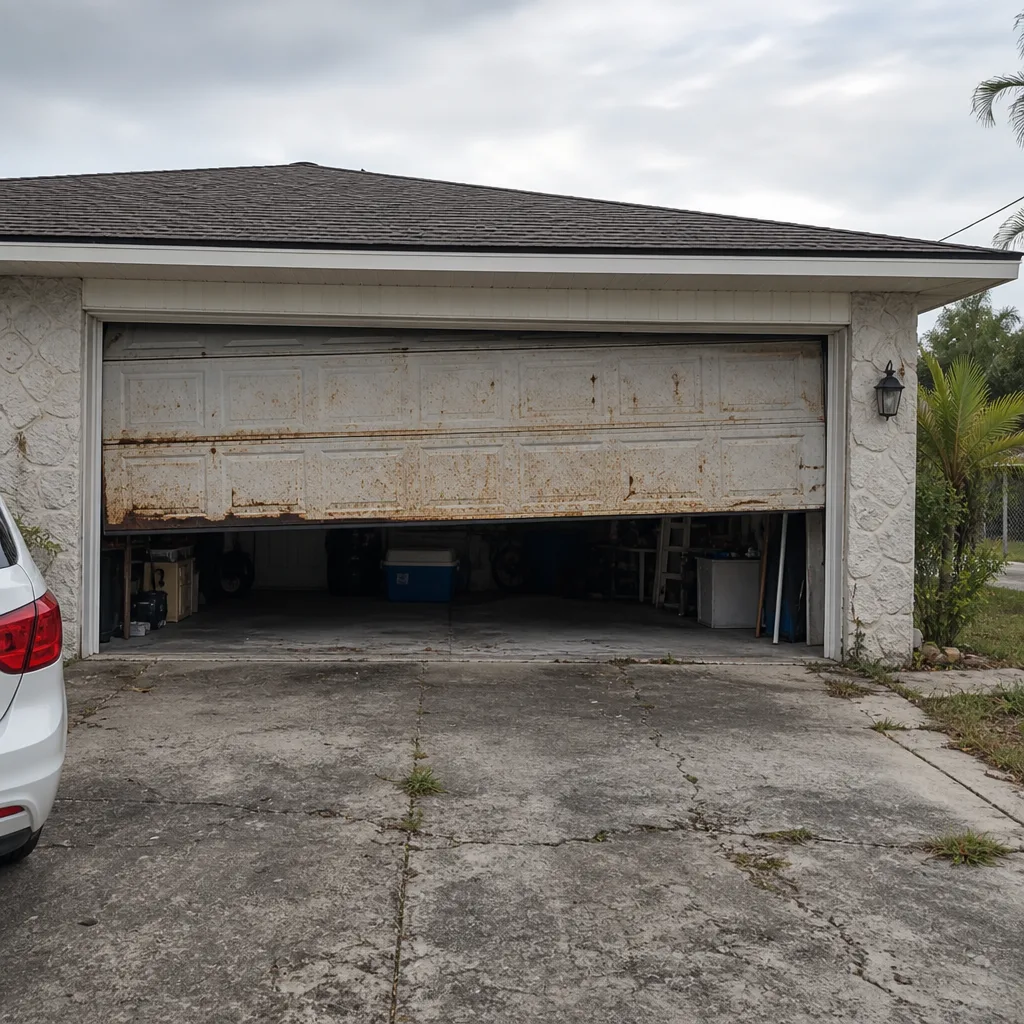 Before
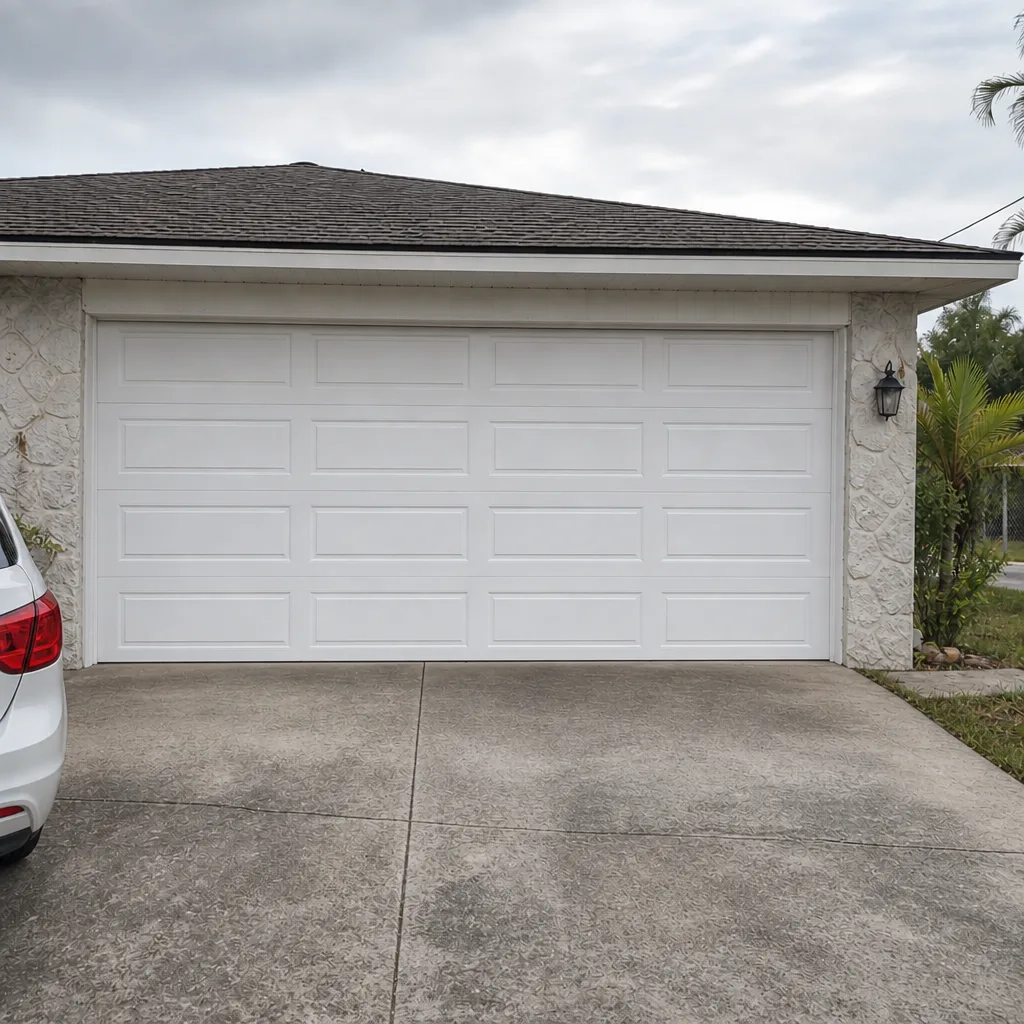 After